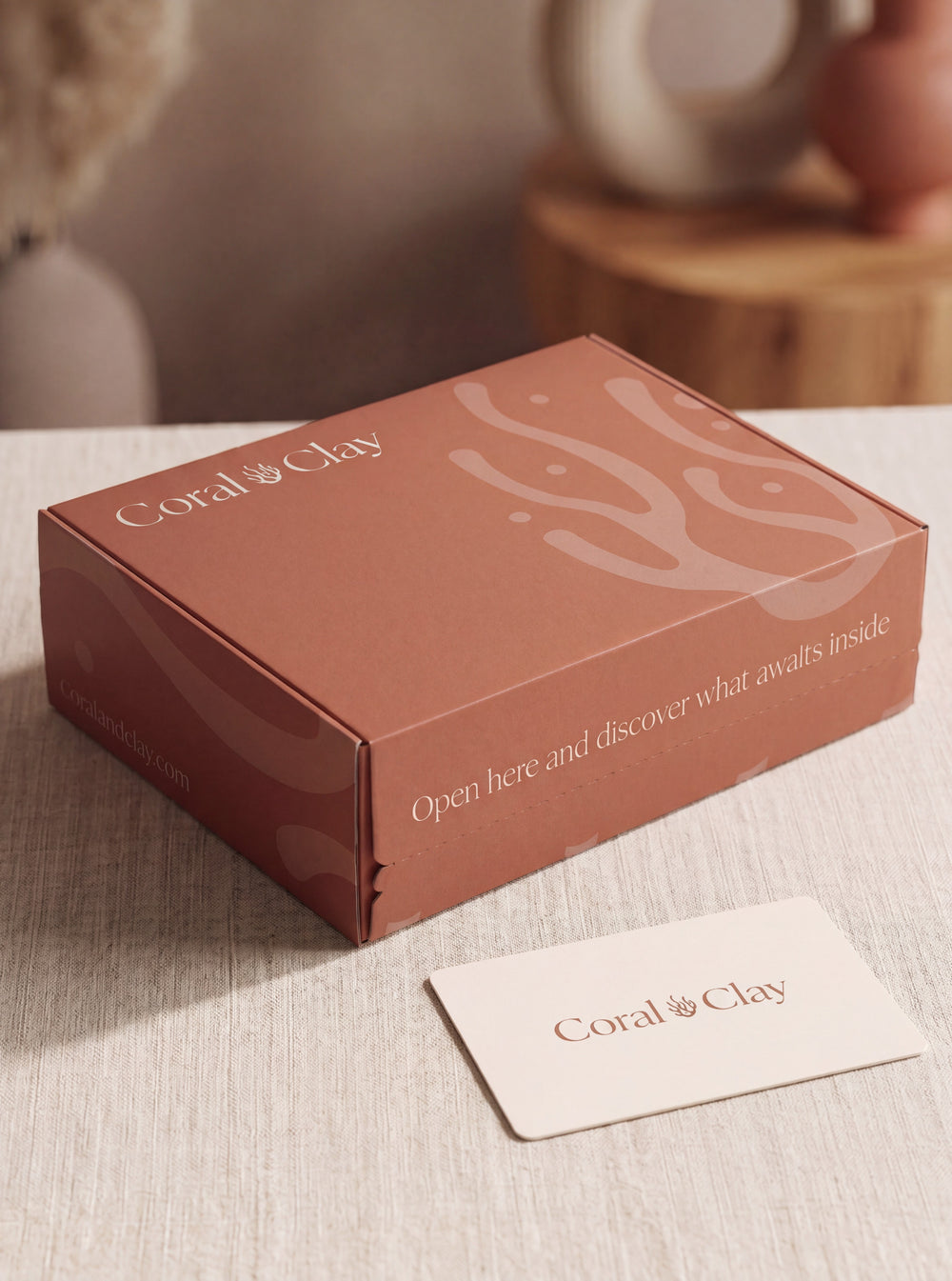
A client gifting programme needs a repeatable decision process, not a longer shopping list. Define the occasions, check whether the client can accept a gift, agree a delivered budget and give one person control of each dispatch batch. Personal messages and a small number of approved concepts can then make the programme consistent without making it impersonal.
This guide is for account managers, customer success teams and coordinators running recurring client gifts. For product-choice criteria, use our client-gift selection guide; the process below deals with who approves, what changes and when to send.
Write the programme rules on one page
Start with one or two occasions you can manage well. A completed project or a relationship anniversary is easier to define than “important clients”. Write down the qualifying event, recipient group, budget ceiling, approver, delivery model and request deadline. Include a no-gift option.
- Relationship owner: confirms the occasion, recipient and personal message.
- Programme owner: checks eligibility, policy, cumulative spending and duplicate requests.
- Final approver: authorises the delivered cost and exceptions.
- Delivery coordinator: validates the dispatch list and manages corrections and returns.
One person may hold several roles in a small team, but a request should not approve itself. Keep a short approval record so another colleague can understand the decision.
Make policy a stop/go decision
Check your own rules and the recipient organisation’s policy before ordering. Confirm permitted value, categories, frequency and any reporting requirement. A price below your internal ceiling does not establish that the recipient can accept it. Rijksoverheid’s public-sector integrity guidance illustrates why recipient rules matter; it is not a universal policy for every client.
As a programme safeguard, hold requests linked to an active tender, contract decision or unresolved conflict until your compliance owner has reviewed them. Do not split one gift into smaller gifts to avoid a limit or send it to a home address to circumvent an office restriction. A thank-you message may be the appropriate outcome.
Use our client gift policy template for the separate policy document. This article provides general planning information, not legal or tax advice; obtain appropriate advice for your circumstances.
Budget for the year and the delivered gift
Count expected occasions, not just client accounts. One account may involve several recipients, while a team gift may serve a whole project group. Set the annual envelope first, then divide it into occasion budgets and a separately controlled allowance for exceptions.
Hypothetical planning example, not a quotation or client case: 40 planned gifts at a delivered planning allowance of € 75 use € 3,000. Adding a € 300 contingency gives a € 3,300 envelope. Record whether those figures include VAT; finance should confirm the applicable treatment. If extra recipients are added, approve the revised total rather than quietly reducing product quality.
Compare quotations on contents, packaging, cards, design, packing, delivery and any agreed storage or recurring administration. Separate one-off setup costs from repeat costs. Agree what happens to unused packaging and how long pricing remains valid; do not assume a recurring arrangement removes those commitments.
Keep the concept stable and the message personal
Choose a coherent core concept and only the alternatives the programme needs. A non-food alternative can be useful where food is unsuitable, but its quality and presentation should receive the same attention. Do not infer tastes from gender, job title or private social-media posts.
Keep concept names operational: “A”, “B” and “non-food alternative”, for example. Record the approved contents, packaging design, card format and substitution rule for each. A replacement should be approved for suitability as well as cost; equal price alone does not make it equivalent.
Give the relationship owner a short message brief: name the occasion, recognise a specific contribution and sign it from someone the recipient knows. A hypothetical example is: “Thank you for the care your team put into the handover. We appreciated the clear documentation and the time you made for questions.” Check names and remove confidential project details before printing.
Use a controlled dispatch list
Keep programme approvals separate from the file sent for fulfilment. A practical dispatch file contains a unique request reference, recipient name, confirmed delivery address, approved concept code, card text and required delivery window. Add a telephone number only when the delivery arrangement needs one; do not export the full CRM record.
The European Data Protection Board’s data-protection basics cover lawful processing, necessary data, transparency and retention. Ask your privacy lead to confirm the legal basis and supplier arrangements. Avoid recording medical or religious reasons for a preference.
Use an organisation-approved shared file with named access, not a public link. Its security guidance supports access limited to need. Agree who edits the file, who releases a batch and how supplier copies are retained or deleted. See our address-collection checklist for that detailed workflow.
Set two cut-offs: approval and dispatch data
Work backwards from the recipient’s required arrival window. First set the deadline for concept, cost and artwork approval. Then set a later deadline for the final names, messages and addresses, agreed with the supplier. After release, record changes explicitly; an edited spreadsheet cell is not proof that the packing team has received the update.
Check office closures, reception hours and whether a named contact can receive the parcel. For a team gift, confirm where it will be shared. For individual delivery, confirm the address directly through an appropriate contact rather than assuming an old address still works.
Allow separately for sourcing, design, production, packing and transport. Our branded packaging normally needs approximately two weeks of production after design approval; the other phases are additional and the project timetable still needs confirmation. Our lead-time guide explains how to build that schedule.
Decide exceptions before the first batch
| Exception | Practical response |
|---|---|
| Policy or recipient acceptance is unclear | Hold the request; ask the programme owner to resolve it. Do not dispatch “just in case”. |
| An address is incomplete | Remove that row from the released batch until corrected; preserve its request reference. |
| An approved item is unavailable | Obtain approval for an appropriate alternative before packing. |
| A change arrives after release | Ask whether it can still be made and record the confirmed response and any cost. |
| A parcel is returned or damaged | Record the reason, verify the address or contents issue and approve any replacement. |
Test the process with a small first batch. Check the actual card, concept code, packing list and handover between teams. Expand only once the owners can handle the corrections.
Review operations, not assumed commercial impact
After each batch, reconcile approved, dispatched, delivered, returned and cancelled requests. Review total spending, errors, exception costs and coordination time. Use a clearly defined denominator for any on-time percentage. Do not treat a polite reply or a contract renewal as proof that gifting caused revenue or retention.
Before the next cycle, ask: did the occasion remain appropriate, could the client accept the gift comfortably, did the message feel specific and did the delivery process work? Improve the rules before adding more occasions.
Plan a recurring client programme with us
We develop custom concepts around your audience, budget, brand and delivery requirements, rather than limiting corporate projects to the online range. We can agree concepts, packaging and card formats for repeat use while recipient details and messages vary. Corporate delivery supports EU member states, with feasibility, costs and timing confirmed for the project. Request a proposal with your expected annual quantity, occasions, budget and delivery model.