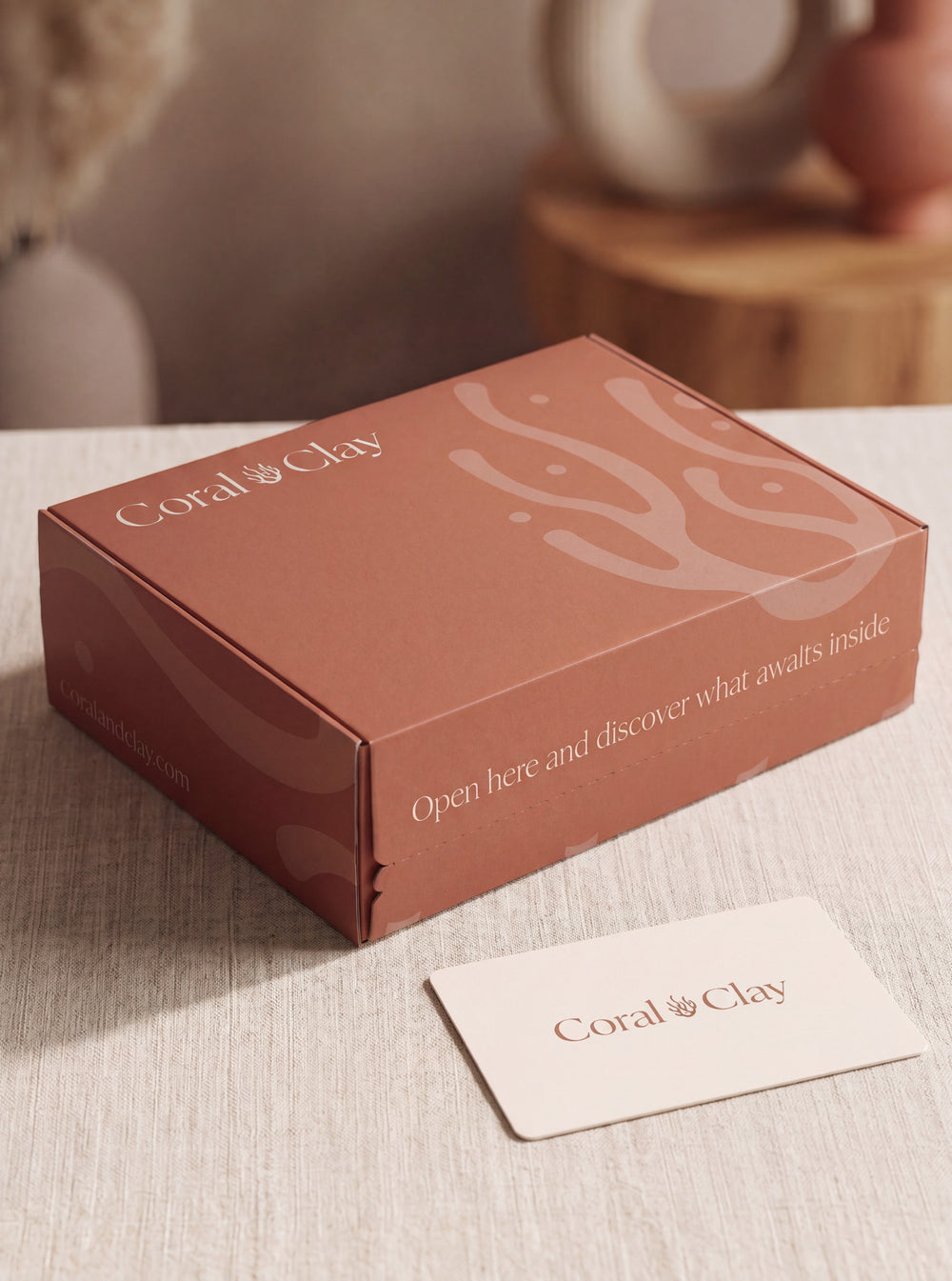
A high-end client gift is not defined by price alone. It feels appropriate to the relationship, useful or enjoyable to the recipient and complete from the first impression to the final handover. The strongest choices are usually the ones that can be explained in one sentence: why this gift, for this person, at this moment.
This guide gives marketing, sales, procurement and executive-support teams a practical way to choose. Use it before requesting concepts, comparing proposals or approving a client-gift programme.
Start with a one-sentence purpose
Write the purpose before looking at products. “Thank ten project sponsors after a demanding launch” is a useful brief. “Find something luxurious” is not. A clear purpose keeps the selection relevant and makes it easier to judge whether extra branding or a larger format adds anything.
Define five points:
- Recipient: who they are in relation to your organisation, without guessing at personal tastes.
- Moment: the completed project, milestone, introduction, event or other reason for giving.
- Message: the precise appreciation or recognition you want to express.
- Setting: personal handover, office delivery or direct delivery to an individual.
- Constraint: budget, timing, policy, destination or branding requirement that could change the choice.
A particularly important individual or occasion may need a more tailored VIP gift. A larger group needs a repeatable concept with controlled variation.
Use seven tests to compare client gifts
- Relationship fit. The level and character of the gift should suit the relationship. A new contact, long-standing partner and executive sponsor do not automatically need the same treatment.
- Recipient relevance. Use information you genuinely know: role, location, the shared project, a stated preference or an offered choice. Avoid stereotypes based on age, gender, seniority or nationality.
- Observable quality. Judge construction, finish, ingredients, provenance information, shelf life, packaging protection and ease of use. “Premium” is too vague unless a supplier can show what makes the item well made.
- Coherence. Fewer strong elements often create a better experience than a crowded box. Products, packaging and message should support one idea.
- Proportionate branding. The recipient should notice the gesture before the logo. Branding can sit in the card, packaging, colour palette or one carefully chosen item.
- Complete cost. Compare the delivered experience, including product, packaging, personalisation, assembly, address handling, delivery and contingency.
- Practical delivery. Confirm availability, minimum quantities, proofing, production time, destinations and handover conditions before promising a date.
Match the approach to the occasion
| Situation | Prioritise | A useful direction | Avoid |
|---|---|---|---|
| Project thank-you | A specific message and easy enjoyment | A coherent food, home or lifestyle selection linked to the completed work | A generic card and no explanation of the occasion |
| Partnership milestone | Longevity and shared history | A lasting item with a personal note or discreet anniversary detail | Branding every surface |
| Speaker or event guest | Portability and simple logistics | A compact useful gift, handed over or delivered at an agreed time | Fragile or awkward items without a transport plan |
| VIP or executive relationship | Individual relevance and discretion | A more tailored composition based on confirmed information | Assumptions about status, taste or alcohol |
| Recurring client programme | Consistency with controlled choice | A repeatable core concept with message, dietary or product variants | Manual exceptions that cannot be tracked |
What makes a gift feel genuinely high-end?
Look for evidence rather than labels. A high-end experience is usually visible in the details:
- the contents share a clear idea instead of feeling randomly assembled;
- materials, ingredients and finishes can be explained accurately;
- the packaging protects the contents and opens in a deliberate sequence;
- the message is written for the occasion, not copied from a seasonal slogan;
- branding has been proofed and suits the product or packaging;
- dietary, cultural and practical needs have been considered;
- the delivery method preserves the presentation.
Do not use cost as a substitute for judgement. One well-chosen item with an excellent message can feel more generous than several products the recipient will not use.
Choose a product direction without over-personalising
Good client gifts often sit in one of four directions:
- Shared enjoyment: a food or drink selection for a team or household, with dietary requirements and destination suitability confirmed.
- Everyday usefulness: a well-made home, work or travel item that earns a place after the occasion.
- A moment of pause: a calm lifestyle or wellbeing selection that does not make assumptions about health.
- Connection to the work: a book, object, ingredient or detail with a credible link to the project, location or milestone.
If preferences are unknown, offer a controlled choice or select something broadly usable. Personalisation should come from the message and the reason for giving, not from pretending to know the recipient intimately.
Decide whether you need one gift or a programme
A one-off gift can be built around one person and one moment. A programme needs rules: eligible recipients, approval levels, budget tiers, triggers, address ownership, alternatives and a process for returns or changes. Those rules protect consistency as the recipient count grows.
Use our guide to planning a client-gifting programme when the same concept will be used across accounts, countries or recurring occasions. Keep this selection brief focused on what the recipient should experience; document the operational workflow separately.
Set a budget for the delivered experience
Start with the recipient experience you want to create, then work backwards to a realistic total. Separate the product value from the costs of packaging, artwork, personalisation, cards, assembly, individual address handling and delivery. For multiple destinations, keep a contingency for address corrections, returned parcels or approved substitutions.
Budget tiers can be sensible when they follow objective criteria such as relationship stage or occasion. Define what remains constant across every tier: accurate delivery, a considered message and a coherent presentation should not be optional extras.
Before approval, check the recipient organisation’s rules and your own financial treatment. The Dutch Tax Administration currently explains a €227 excluding VAT annual threshold per recipient for certain gifts and business gifts, while Dutch central-government integrity guidance states that gifts or services above €50 may not be accepted in that context. Read the current Dutch Tax Administration guidance and Dutch government integrity guidance, then obtain professional advice where needed. These figures are planning prompts, not a universal approval rule. Our client-gift policy template helps you record the checks without replacing legal or tax advice.
Keep branding in proportion
Begin with the message. A short note that names the shared achievement creates more meaning than a logo repeated across every component. Then decide where branding genuinely helps:
- a printed or handwritten card for the relationship and occasion;
- colours, paper or an insert for a coherent brand environment;
- a sleeve, label or box when the quantities and production method make sense;
- one branded product when it remains desirable in its own right.
Always review a proof at the size and on the material that will be produced. Fine lines, small type and subtle colours can behave differently in print, engraving, embroidery and other applications.
Plan timing and delivery before final approval
Work backwards from the required arrival window. Allow time for concept development, sourcing, samples or proofs, artwork approval, production, packing and delivery. Branded packaging can take around two weeks after design approval in a commercially sensible project, but the complete schedule depends on the selected products, quantities and destinations. Confirm a project-specific plan before communicating a date.
Coral & Clay can support corporate delivery to EU member states. Feasibility is confirmed for each destination and product mix; food, liquids, fragile items and other restricted contents may affect the final concept. For a fuller sequence, use the corporate gift lead-time guide.
Client-gift briefing checklist
- Purpose, occasion and desired message
- Recipient groups, count and destination countries
- Known preferences, dietary needs and offered choices
- Budget per tier and the total programme budget
- Recipient and internal acceptance-policy checks
- Brand assets, personalisation needs and proof approver
- Required arrival window and any event handover
- Individual or bulk delivery, address owner and return process
- Who can approve substitutions, quantity changes and final artwork
A strong brief does not need to prescribe every product. It should make the purpose, constraints and decision criteria clear enough for a proposal to solve the right problem.
Request a considered client-gift proposal
Coral & Clay can develop a client-gift concept from a ready-made starting point or a broader sourcing brief, with packaging, personal messaging and fulfilment shaped around the project. Availability, minimum quantities, production time and delivery feasibility are confirmed in the proposal.
Explore client gifting and request a proposal with your audience, occasion, budget, branding needs, quantities and destinations.
Frequently asked questions
How expensive should a high-end client gift be?
There is no universal amount. Choose a level that is proportionate to the relationship and occasion, permitted by the relevant policies and realistic once packaging, personalisation and delivery are included.
Should a client gift include our logo?
Only where it improves recognition without reducing the recipient’s enjoyment. A specific message and well-designed presentation often carry the brand more elegantly than a prominent logo on every product.
Can client gifts be sent directly to recipients?
Yes, when the recipient has agreed to the delivery arrangement and the project has an appropriate address process. Confirm destination feasibility, data responsibilities and the required arrival window before collecting details.