A useful client gift policy should make ordinary decisions easy and unusual decisions visible. It needs to say who may give what, to whom, at which moments, with whose approval and how the decision is recorded. A single spending cap is not enough: a modest gift during an active tender can create more risk than a higher-value gift sent after a completed project.
The template below is designed for organisations that give gifts to clients, prospects and other external business contacts. Adapt the bracketed fields to your organisation, countries and risk profile, then have legal, compliance and tax specialists review the final policy. It is practical guidance, not legal or tax advice.
The short version: five rules every client gift policy needs
- Give for a legitimate relationship purpose, never to influence a decision or obtain an improper advantage.
- Check the recipient’s rules first. A gift that your policy allows may still be prohibited by their employer.
- Apply value limits cumulatively. Count the full delivered value and repeated gifts to the same recipient or organisation.
- Escalate sensitive timing. Active tenders, contract awards, renewals, disputes, inspections and other live decisions need a pause or explicit compliance approval.
- Record the decision. The register should show the purpose, recipient, value, timing, approver and outcome.
Copyable client gift policy template
| Policy field | Suggested wording |
|---|---|
| Purpose | We use proportionate business gifts to recognise genuine professional relationships and appropriate occasions. Gifts must never be offered to influence a decision, secure an improper advantage or create an obligation. |
| Scope | This policy applies to employees, directors, contractors and anyone giving a gift on our behalf to a client, prospect, intermediary, public official or other external contact. |
| Recipient rules | The requester must check and respect the recipient organisation’s gift policy before ordering or dispatching a gift. |
| Value | Value means the total cost of the gift, personalisation, packaging, delivery and any associated hospitality, including taxes where relevant. Related gifts are aggregated per recipient over a rolling [12-month] period. |
| Timing | No gift may be sent while the recipient can influence an active tender, award, renewal, dispute, claim, audit, inspection or regulatory decision involving us, unless Compliance gives written approval. |
| Prohibited gifts | Cash, cash equivalents, undisclosed personal benefits, gifts requested by the recipient and anything illegal, unsafe, discriminatory or inconsistent with either organisation’s policy are prohibited. |
| Approval | Approval must be obtained before a commitment is made. The requester may not approve their own request. |
| Records | All gifts above [registration threshold], all exceptions and all gifts involving a public or regulated-sector recipient must be entered in the gift register. |
| Exceptions | Exceptions require a written rationale and approval from [Compliance role] and [senior accountable role]. Commercial urgency is not, by itself, a reason for an exception. |
| Questions and concerns | Employees should pause the gift and contact [Compliance or Ethics contact] when they are unsure. Concerns may be reported through [speak-up channel]. |
Set value bands that match the risk
Choose thresholds that work for your organisation instead of copying a number from another policy. Define them in the relevant currency, state whether tax and delivery are included, and decide whether the limit applies per gift, per person, per client organisation and over which period.
| Band | Example control | Still escalate when… |
|---|---|---|
| Up to [A] | Relationship owner confirms purpose, recipient policy and budget; register if required. | The timing is sensitive, gifts are repeated, the destination is a private address or the recipient has decision-making power. |
| Above [A] to [B] | Written approval from the line manager and budget owner before ordering. | The recipient works in the public or a tightly regulated sector, or a conflict could reasonably be perceived. |
| Above [B] | Compliance and senior management approval, with a documented rationale and alternative considered. | Always. The threshold creates an approval route, not an entitlement to give. |
| Prohibited category | Do not give; no routine manager override. | Only the formal exception process may consider genuinely exceptional circumstances. |
For Dutch public-sector recipients, do not treat your private-company threshold as permission. The Dutch central government’s integrity baseline says civil servants may not accept gifts or services worth more than €50, while its detailed code stresses that context and independence remain decisive even below that amount. Check the recipient’s own rules and obtain written confirmation where appropriate. See the Dutch government integrity guidance.
Use a conflict-and-timing check before price
A gift should be paused when a reasonable observer could think it was intended to influence a decision. The Dutch Ministry of Foreign Affairs’ business guidance describes corruption as a criminal offence and recommends an organisational culture and controls that support honest business. Its staff integrity code also gives a practical example: during an ongoing tender, the value of a gift is not the decisive issue; independence is. See Doing business honestly, without corruption.
Ask these questions before approving any gift:
- Can the recipient influence a purchase, renewal, tender, claim, permit, inspection or other decision affecting us?
- Is the gift close to a decision date, performance review or difficult negotiation?
- Has the recipient or an intermediary asked for the gift, a specific item or delivery to a private address?
- Are several small gifts being used to avoid a threshold?
- Would the gift, recipient and purpose be comfortable to disclose to both organisations?
- Could the same business purpose be met with a lower-value, shared or non-gift alternative?
If any answer creates doubt, pause and escalate. “Everyone does it” and “the budget has already been approved” are not conflict checks.
Define ownership clearly
- Requester: states the purpose, identifies the recipient, checks their policy and provides the complete cost.
- Relationship owner: confirms the occasion and checks for live commercial decisions or repeated gifting.
- Budget owner: confirms affordability and business purpose, but does not replace compliance approval.
- Compliance or Legal: reviews high-risk recipients, sensitive timing, exceptions and suspected misconduct.
- Finance or Tax: confirms accounting and tax treatment. Gift approval does not establish deductibility or VAT treatment.
- Procurement or fulfilment owner: releases the order only when the required approval is recorded.
For the tax questions that sit beside—not inside—the ethics decision, use a separate review. Our guide to Dutch corporate-gift tax and VAT considerations is a useful starting point, but your adviser should confirm the treatment for the facts.
What to capture in the approval form and gift register
Keep the form short enough to use and specific enough to audit. Capture:
- requester, relationship owner and approving roles;
- recipient name, role, organisation, sector and country;
- occasion, relationship purpose and proposed dispatch date;
- item, quantity and total delivered value;
- other gifts or hospitality for the same recipient within [period];
- recipient-policy check and evidence;
- tender, renewal, dispute, claim or regulatory connection;
- delivery destination, especially any private address;
- decision, conditions, approver, date and exception rationale;
- final outcome: delivered, declined, returned, redirected or cancelled.
Set access and retention rules with your privacy and legal teams. The register should support oversight without becoming an unrestricted directory of personal information.
Three examples of the policy in use
1. A modest project-completion gift
The project is complete, no renewal is under discussion, the recipient’s policy permits the gift and the total value falls within Band A. The relationship owner records the purpose and approves the dispatch under the standard route.
2. A gift during a tender
A prospect is evaluating bids and a team member proposes a low-value gift. The request is paused because timing and influence matter more than price. The team sends a neutral thank-you note only, or waits until the procurement process and any standstill period are over and reassesses then.
3. A high-value anniversary gift to a long-standing client
The occasion is legitimate, but the value exceeds Band B and the client is approaching renewal. Compliance reviews the timing, cumulative history, recipient policy and lower-value alternatives. Approval, refusal or deferral is documented before any order is placed.
Review the policy, not just individual gifts
Review the policy at least annually and after a control failure, regulatory change or expansion into a new country or sector. Look for repeated exceptions, gifts just below a threshold, missing recipient-policy evidence, concentrated spending and approvals made after ordering. Those patterns often reveal more than the total annual spend.
A sound policy protects the relationship as well as the organisation. It lets teams plan meaningful gestures without putting the recipient in an awkward position. Once the rules are clear, the practical work—audience, occasion, budget, message and delivery—can be handled through a structured client gifting programme.
Planning a policy-compliant client gift?
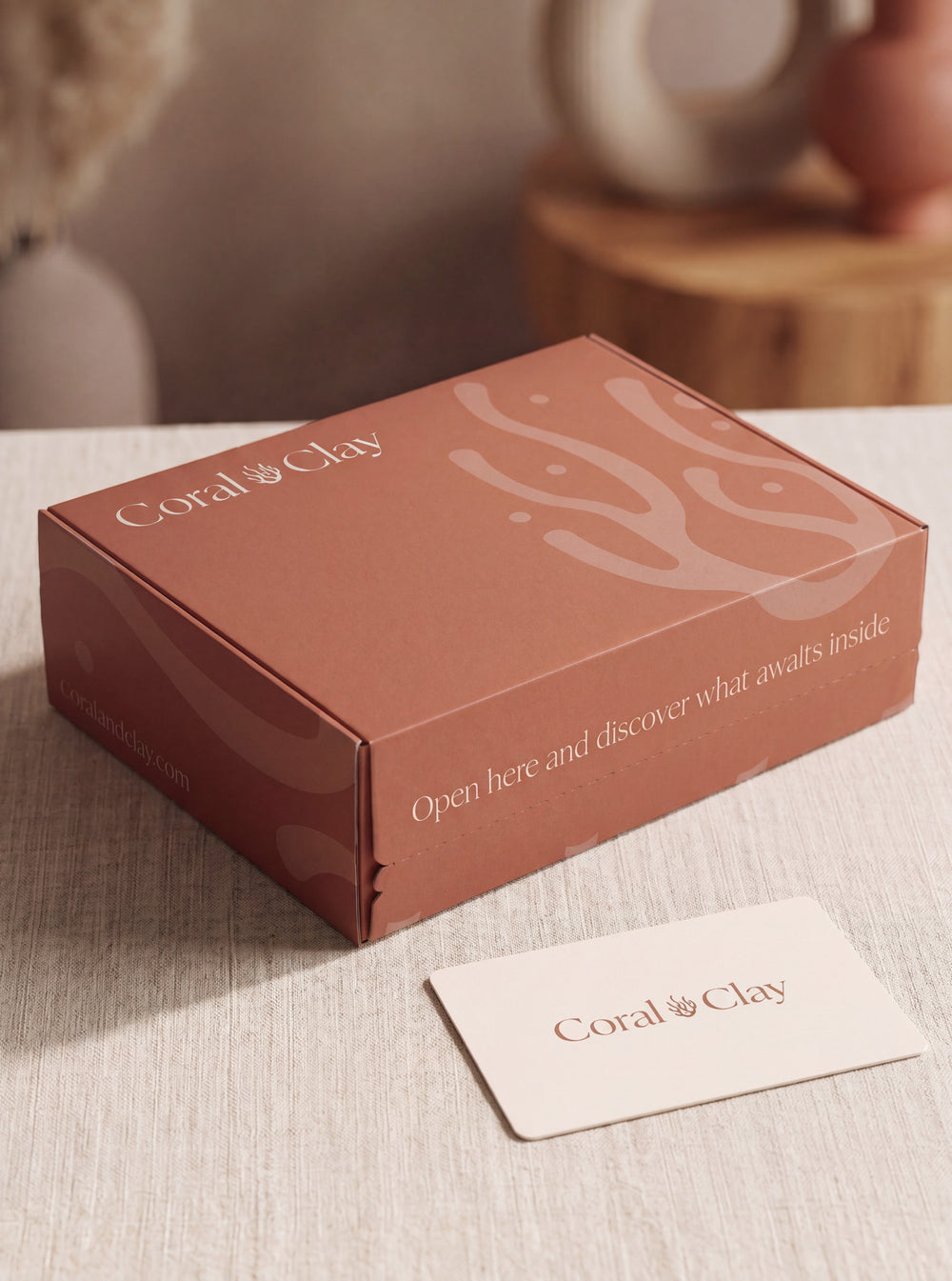
Coral & Clay develops client gift concepts around the relationship, occasion, budget, policy, message and EU delivery requirements, with availability confirmed for each proposal. Request a proposal.