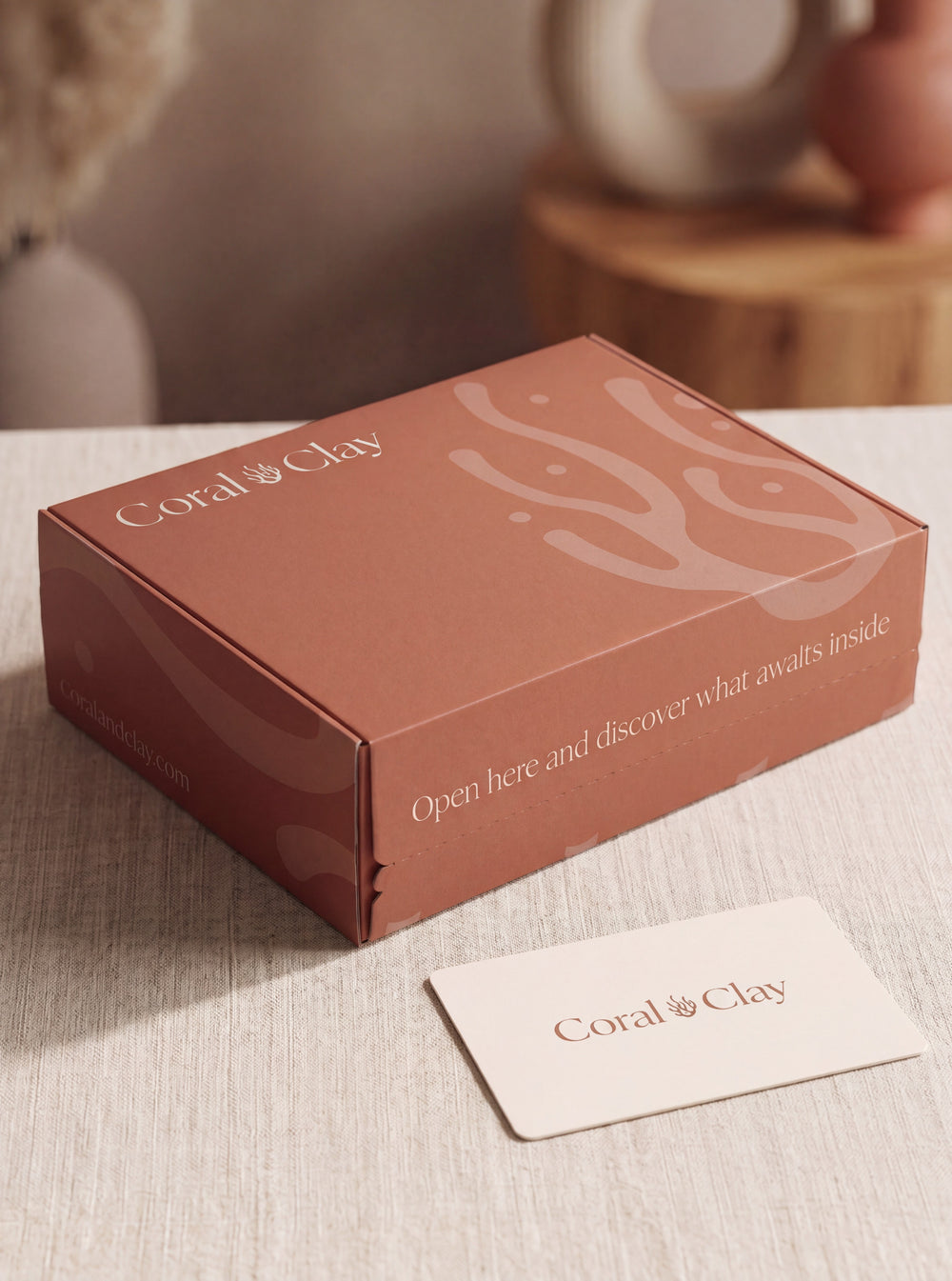
An employee wellbeing gift can show attention, mark the end of an intense period or create a shared moment to pause. It cannot repair excessive workload, unclear roles, unsafe behaviour or a lack of management support. Address the working conditions first, then use the gift as a modest supporting gesture.
That distinction matters. It prevents a well-meant box from sounding like a substitute for time, flexibility, professional support or an honest conversation.
Start with the problem, not the products
Before choosing a gift, write down what is happening and what the organisation will do beyond sending it.
| Situation | A suitable role for the gift | Action beyond the gift |
|---|---|---|
| A demanding project has finished | Thank people and support a genuine pause | Review workload, recovery time and lessons for the next phase |
| A distributed team needs connection | Create an optional shared moment | Improve communication, inclusion and meeting practices |
| An employee is returning after an absence | Offer a quiet welcome if the person wants one | Use the appropriate HR and occupational-health process |
| A company-wide wellbeing initiative | Reinforce a useful activity or resource | Provide credible policies, access and manager support |
| A team is under continuing pressure | Do not present the gift as the solution | Address staffing, priorities, hours and psychological safety |
Put working conditions first
For employers in the Netherlands, workload falls under psychosocial workload. Arboportaal, the Dutch government’s occupational-safety information portal, explains that employers must pursue a policy designed to prevent or limit it, identify the risks in the risk inventory and evaluation, and include measures in the plan of action. Read the official Arboportaal explanation of workload and the law.
A gift can sit alongside that work, but cannot count as the work itself. Arboportaal also advises employers to involve employees and the works council in decisions, create an open and safe climate, take action on identified risks and evaluate whether measures are effective. Its practical guidance on work pressure is a useful starting point.
This article offers general gift-planning guidance, not legal, medical or occupational-health advice. Use qualified advisers for your organisation’s duties and individual cases.
Choose a neutral, voluntary concept
A wellbeing gift should not diagnose the recipient or suggest that relaxation is solely their responsibility. Avoid labels such as “burnout recovery box”, “anxiety remedy” or “stress treatment”. Products can support a pleasant moment without making a health claim.
Useful directions might include:
- a tea or coffee pause with clear ingredient information;
- a notebook with an optional reflection prompt and no requirement to share the result;
- a practical item for rest, home or an everyday routine;
- a small food selection with a suitable alternative for relevant dietary needs;
- an optional team activity held during working time.
Alcohol, fragrance, essential oils, supplements and strongly health-framed products need particular care. Do not imply that one choice suits everyone. Check the current product information and make fragrance or alcohol optional when either is part of the concept.
Offer meaningful alternatives without stereotyping
You rarely need dozens of versions. Two or three equally considered routes are usually easier to manage and more respectful than a catalogue built around assumptions.
- Food and pause: a drink and a few well-chosen treats, with ingredient and allergen information available.
- Home and routine: useful objects without alcohol or overt health messaging.
- Low-sensory option: no fragrance and no requirement to join a public activity.
Do not segment by age, gender, nationality, family status or assumed health. Ask only about choices that will change the gift. If you need broader employee-appreciation criteria, use our practical guide to employee appreciation gifts.
Protect health information and privacy
Do not build a gift list from assumed health problems, sickness records or private conversations. The Dutch Data Protection Authority explains that health information is special-category personal data and that an employer generally must not ask a sick employee what they have or record that information. See the Authority’s rules for employers and sick employees.
A choice form should ask about the gift, not invite a diagnosis. “Would you prefer fragrance-free?” is a product choice; “Which health condition should we accommodate?” is not an appropriate gifting question.
For home delivery, collect only the address and delivery details the programme needs, restrict access and remove temporary fulfilment files when they are no longer required. Our GDPR-aware address-collection checklist sets out a practical supplier handover.
Write a message without pressure
The message can acknowledge the context without demanding gratitude, optimism or participation. Be specific about the contribution, and be equally clear that the gift does not close the conversation.
For example:
Thank you for everything you contributed over the past few weeks. We know the timetable was demanding, and we are reviewing how the next phase is organised. This is simply a small gesture of appreciation. There is nothing you need to do or share.
Avoid messages such as:
- “You deserve this after surviving the chaos.”
- “Take this home and come back refreshed.”
- “Use these products to beat stress.”
- anything that reveals an employee’s health situation to colleagues;
- requests to post a photograph or join an activity outside working hours.
Make participation genuinely optional
Employees should be able to opt out, choose an equivalent alternative or skip a public opening moment without explaining why. Managers do not need to know who selected an alcohol-free, fragrance-free or dietary route unless that information is operationally necessary.
If a distributed team will open the gift together, hold the activity during working time and offer an asynchronous alternative. A wellbeing gesture loses credibility when participation becomes another deadline.
Plan the practical details
- Define the reason for the gift and the action taking place at work.
- Choose one neutral concept with two or three useful alternatives.
- Set a complete budget for products, presentation, tax treatment and delivery.
- Collect choices and addresses through a controlled process.
- Approve a message without medical claims.
- Confirm destinations, availability and delivery timing before committing.
- Record delivery issues and opt-outs without profiling recipients.
For remote or multi-address teams, our remote employee gift delivery guide covers address cut-offs, exceptions and practical handover.
Evaluate the programme without measuring health
Measure whether the process worked, not whether people appeared happier. Useful operational questions include:
- Were choices and addresses collected correctly?
- Did employees have an equal-value alternative?
- Did parcels arrive in the agreed window?
- Did any product, message or group moment create avoidable discomfort?
- What did managers and programme owners change about the underlying workload or working conditions?
Avoid asking employees to disclose health information or prove that the gift improved wellbeing. Feedback should be voluntary and proportionate.
Final responsibility check
- The gift supports workplace action rather than replacing it.
- The products and message make no medical promise.
- Choice and participation are genuinely voluntary.
- Health information is not used for targeting.
- The concept considers fragrance, alcohol, food and accessibility.
- The message recognises the context without shifting responsibility.
- Delivery data is limited, protected and temporary.
Plan a thoughtful employee gesture
We develop employee gift-box concepts around the occasion, audience, budget, brand and delivery requirements, with consolidated or individual delivery in EU member states where the project is feasible. Request an employee-gifting proposal with your quantity, budget, timing and destinations so we can confirm an appropriate approach.