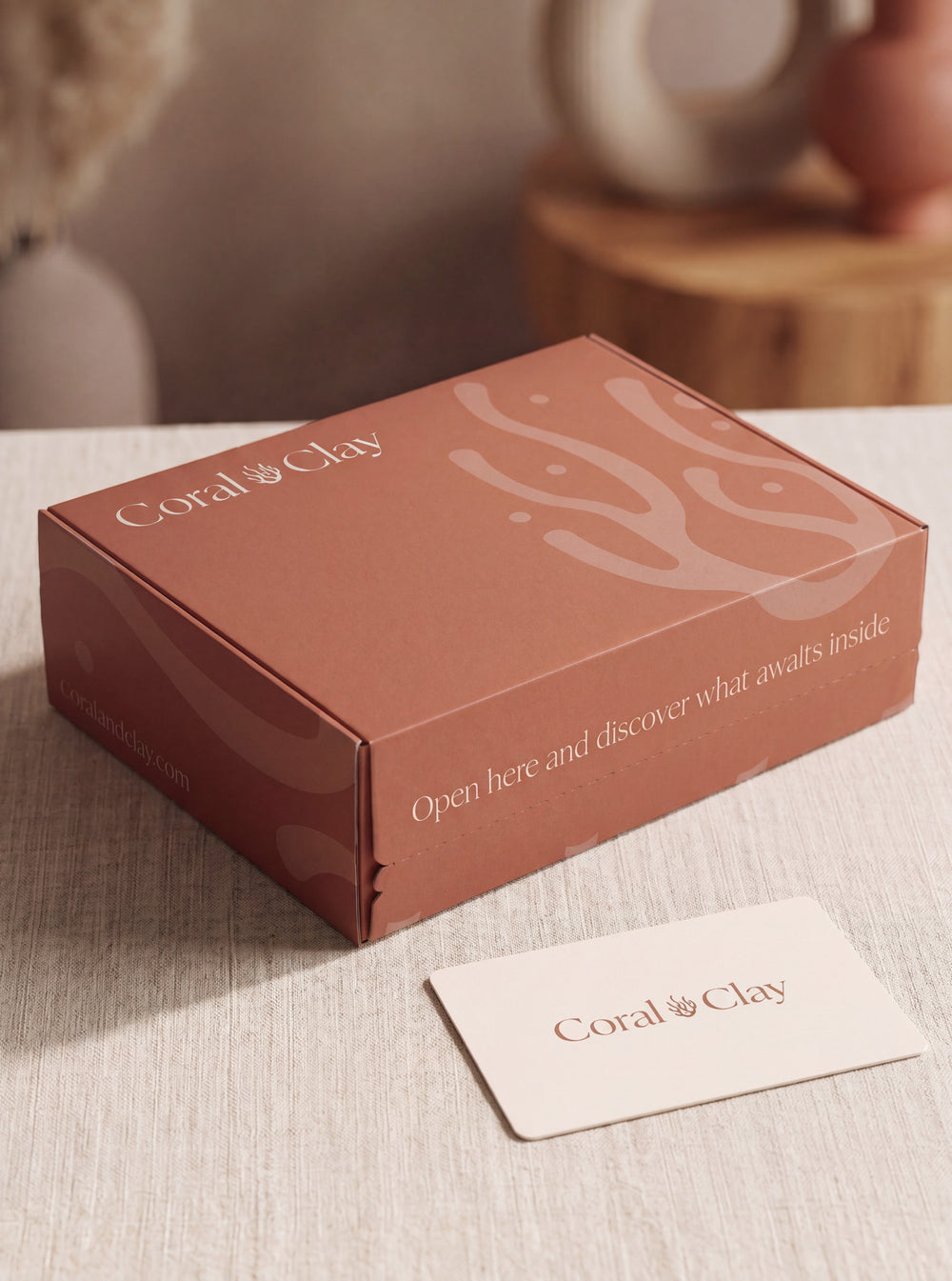
A successful remote employee gift depends on the delivery plan as much as the gift itself. Decide who is included, choose a delivery model, collect only the address data you need and agree how exceptions will be handled before products or packaging are approved.
That sequence gives HR, People and Office teams a fairer recipient experience and fewer last-minute corrections. It also makes the supplier brief much clearer.
Start with a one-page delivery brief
Write down the operating decisions before anyone starts browsing gifts. A useful brief answers:
- What moment or contribution is the gift recognising?
- Who is eligible, and which date determines eligibility?
- How many recipients are in the Netherlands and in each other destination country?
- Will gifts go to home addresses, offices or a mix of both?
- Who owns address collection, final approval and recipient questions?
- What is the target arrival window rather than just the dispatch date?
- Which alternatives are genuinely necessary for dietary, alcohol, fragrance or other suitability needs?
- What should happen after an invalid address, missed delivery, damaged parcel or return?
Keep the purpose specific. “Thank the 42-person implementation team after the system launch” gives better direction than “send something nice to remote colleagues”.
Define eligibility before asking for addresses
A distributed workforce can include permanent employees, temporary staff, contractors, people on leave and colleagues who join or leave during the project. Decide whether each group is included before the list is circulated.
Use one written cut-off rule, such as employment status on a named date, and appoint one person to resolve exceptions. If different countries or contract types require different treatment, document the reason. The aim is a consistent rule that managers can explain without improvising.
For the gift itself, equivalent experience matters more than identical contents. A considered alcohol-free or food-free alternative can feel equal even when the products differ. Avoid using gender, age, job level or assumed lifestyle as a shortcut for preference.
Choose the delivery model that matches the team
| Delivery model | Works well when | Main control |
|---|---|---|
| Direct to home | People work remotely or across many locations | Confirm complete addresses, country coverage and a process for failed deliveries |
| Consolidated office delivery | Most recipients attend a small number of workplaces | Name a receiving contact and plan secure internal distribution |
| Hybrid delivery | Some employees attend an office while others do not | Make the presentation and timing comparable across both routes |
| Regional hub or event venue | The gift is part of a meeting, off-site or conference | Confirm receiving hours, on-site contact and handover point |
Do not default to home delivery simply because a team is described as hybrid. Consolidated delivery can reduce address administration, while direct delivery may be fairer for people who rarely visit an office. The right choice follows working patterns and the occasion.
Collect the minimum viable recipient data
A home address is personal data. The European Data Protection Board explains that organisations should limit personal data to what is necessary, keep it accurate, restrict how long it is retained and protect it appropriately. Apply those principles to the recipient list and ask your privacy lead to confirm the process and lawful basis for your organisation.
For most deliveries, the working file needs only:
- recipient name;
- street, house number and any addition;
- postcode, city and country;
- company or building information only where it is needed for delivery;
- telephone number or email address only when the chosen carrier or delivery process requires it;
- the approved gift variation, recorded without unnecessary personal explanation.
Use a controlled collection method, limit access to the people running the project and set a deletion date. Do not gather birthdays, medical details or open-ended preference notes when a simple option code will do. The EDPB’s small-business data security guidance provides an authoritative starting point. This is general planning information, not legal advice.
For a fuller workflow, use our GDPR-aware address collection checklist.
Validate the list before it becomes a packing list
Address checking needs a clear end point. Set one deadline, freeze a numbered version of the list and require changes after that point to go through the named project owner.
Before release, check:
- the number of eligible recipients matches the approved budget;
- every row has a country and complete postcode or local equivalent;
- house-number additions and apartment details have not been dropped;
- non-Latin characters and accents are preserved;
- duplicate people and addresses are intentional;
- gift variations use the supplier’s agreed codes;
- late joiners, leavers and people on leave follow the written rule.
Keep one source list. Combining emailed corrections, chat messages and several spreadsheets is a common way to create duplicate shipments or miss a recipient.
Check delivery feasibility country by country
Do not treat “Europe” as one delivery lane. Confirm every destination country, the current delivery service, expected transit range, tracking method, address format and any product restriction before the concept is final.
Coral & Clay’s standard corporate delivery scope is the Netherlands and EU member states. The UK, United States and other non-EU destinations fall outside that standard scope and need a separate plan. Feasibility, timing and cost still need confirmation for each project and destination.
The contents must also suit the route. Review fragility, weight, temperature sensitivity, shelf life and any restrictions affecting food, drink, alcohol, batteries or liquids. A locally appropriate substitute is better than discovering after packing that one item cannot travel to part of the team.
Select the gift for the journey as well as the occasion
Use the same discipline you would apply when choosing an employee appreciation gift, then add delivery criteria:
- Will the contents remain presentable after individual parcel handling?
- Does the packaging protect the products without excessive empty space?
- Can every necessary alternative use the same standard of presentation?
- Will a recipient understand why the gift was sent without needing a manager to explain it?
- Can the gift be enjoyed without assuming a particular home, family structure or lifestyle?
Where branding is needed, use the full experience rather than repeating a logo on every item. Colour, typography, a well-designed card and considered packaging can express the organisation while keeping the recipient at the centre.
Plan backwards from the arrival window
Build the schedule from the day recipients should receive the gift, not from the day you hope to place the order. Include time for the brief, concept development, product confirmation, artwork, approval, production, address validation, packing, transit and exceptions.
Custom printed packaging typically needs around two weeks of production after design approval. Concept development, sourcing, packing and delivery sit outside that period, and current capacity and availability must always be confirmed. Our corporate gift lead-time guide shows how to turn these stages into a practical backwards plan.
Use an arrival window when recipients are spread across several countries. An exact shared day can create unnecessary risk unless the occasion genuinely requires it.
Design the exception process before dispatch
Agree who will answer recipient questions and what evidence is needed before a replacement is approved. Create simple routes for:
- an incomplete or incorrect address;
- a recipient who has moved;
- a missed delivery or collection deadline;
- a parcel returned to sender;
- visible damage on arrival;
- a late change in gift suitability;
- a recipient who should not have been included or was omitted.
Set aside a small number of spare components or finished gifts only when the product life, budget and programme size make that sensible. Record replacements against the master list so the team does not send a second parcel by mistake.
Include tax review in the approval step
Employee gifts in the Netherlands may need to be considered under the work-related costs scheme (werkkostenregeling or WKR). The Dutch Tax Administration’s current WKR guidance explains the free space and possible final levy.
Ask payroll or a tax adviser to determine the treatment of the actual gift and recipient group before the budget is signed off. This article is general planning information, not tax advice.
Final remote-gifting checklist
- The purpose and eligibility date are written down.
- One owner can resolve inclusion and address exceptions.
- The delivery model reflects how the team actually works.
- Every destination is within the supplier’s confirmed scope.
- Only necessary recipient data is collected and access is controlled.
- The list has a deadline, version number and validation step.
- The contents and packaging can travel on every agreed route.
- Alternatives are equal in quality and presentation.
- The schedule includes approval, production, packing, transit and recovery time.
- Payroll or tax review is complete where required.
- Recipient support and replacement decisions have named owners.
Turn the plan into one managed project
Coral & Clay can develop the concept, source products, coordinate branded presentation and manage consolidated or multi-address delivery within the EU as one corporate gifting project. To discuss the audience, destinations, timing and budget, request a proposal for employee gifts.