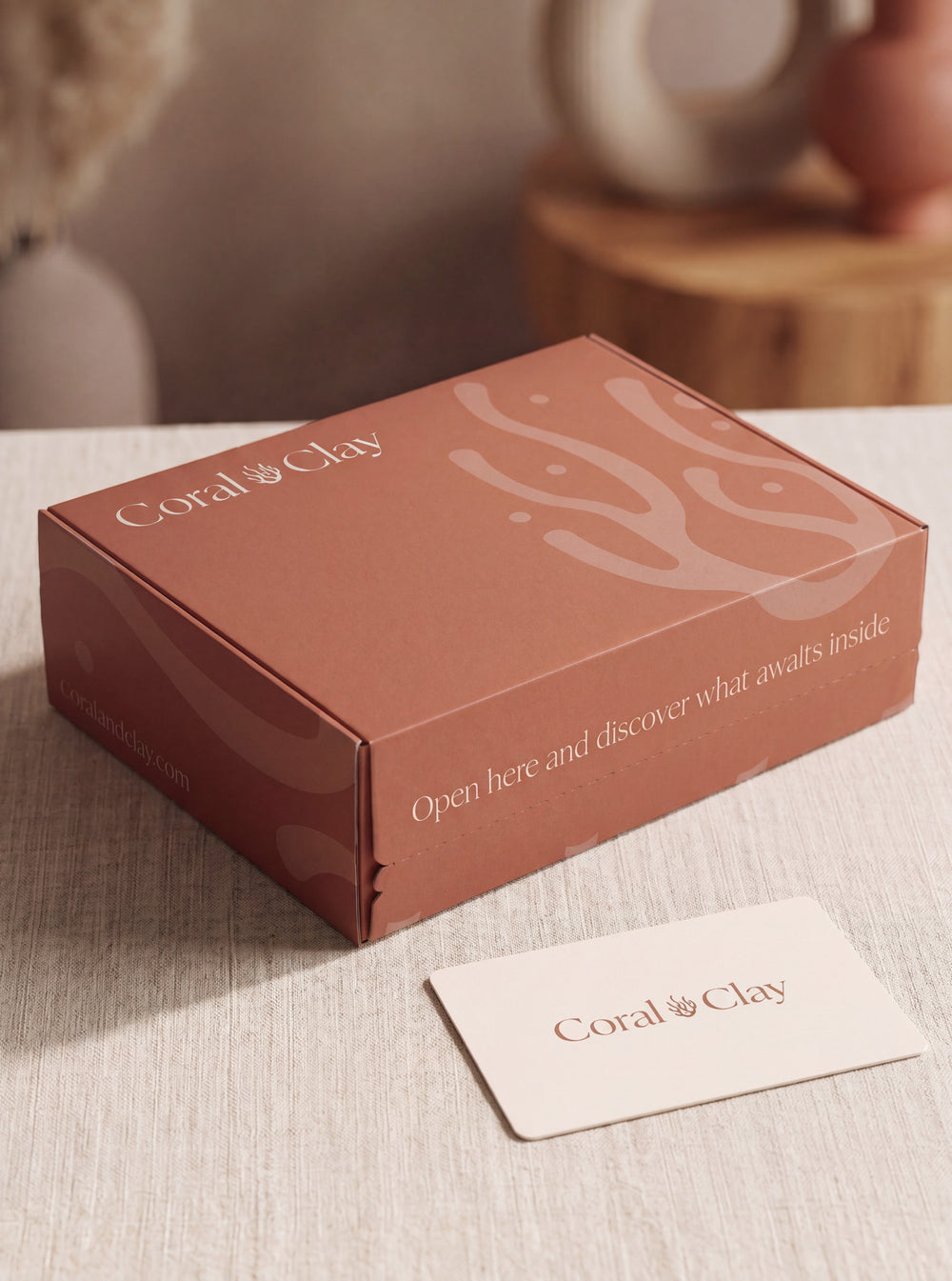
The best employee appreciation gift is not the most expensive or the most unusual. It is a well-chosen gift that matches a clear reason for thanks, feels appropriate to the recipient and arrives with a specific message.
For HR and People teams, that means making the selection in the right order: define what you are recognising, set the practical boundaries and only then compare products. This guide focuses on choosing the gift itself. For eligibility, tiers and manager responsibilities, use our employee appreciation programme guide.
Start with a one-sentence reason
Write down why the gift is being given before opening a catalogue. A useful brief might say: We want to thank the twelve-person launch team for calm, collaborative work during a demanding delivery.
That sentence gives you three selection clues: the gift should suit a group, the tone should be appreciative rather than celebratory, and the message should recognise how the work was done as well as the result.
If the reason stays vague, the gift usually becomes vague too. “Something nice for everyone” invites too many options and makes it harder to explain why the final choice is right.
Use seven criteria to assess every option
1. Relevance to the moment
A quick thank-you after a busy week calls for a different level of gift from a major milestone. Match the scale, permanence and presentation to the reason. A modest gesture can feel generous when it arrives promptly and carries a precise message; a significant occasion deserves more planning and a gift with longer-lasting value.
2. Recipient usefulness or enjoyment
Ask what the recipient can actually do with the gift. A useful object should be materially good and pleasant to keep using. Food or drink should create a coherent moment rather than a collection of unrelated fillers. A home or lifestyle product should have broad appeal without making assumptions about someone’s household or taste.
When budget is limited, fewer strong elements usually create a better experience than several weak ones. Evaluate the complete gift—products, presentation and message—not the item count.
3. Fit for varied preferences
Check the obvious reasons someone may be unable or unwilling to use the gift: dietary requirements, alcohol, fragrance, allergens, sizing, accessibility, destination restrictions or a strong personal preference. Do not segment by gender or guess from age, job title or family situation.
One core concept plus two or three equivalent alternatives is often enough. The alternatives should feel equally considered, not like a default option and a lesser substitute.
4. A gift, not company merchandise
Branding can connect the gift to the organisation, but the employee should remain more prominent than the logo. A personal card, colour palette, printed sleeve or considered packaging detail may express the brand more naturally than putting a large mark on every product.
If merchandise is included, judge it as a product first: is it useful, durable and attractive without the campaign around it? If the answer is no, branding will not rescue it.
5. A message with something real to say
The card should explain what is being appreciated. Name the contribution and its effect on colleagues, customers or the organisation. Avoid exaggerated praise that could apply to anyone.
Keep product selection and message writing as connected tasks, but do not make managers invent everything from scratch. Our employee appreciation message examples provide structures for individual, team and everyday recognition.
6. A realistic delivery route
Decide whether gifts will be handed over in person, delivered together to an office or sent to individual addresses. The route affects size, fragility, temperature sensitivity, packaging, address deadlines and the time available for replacements.
For a distributed team, consistency matters more than identical parcel dimensions. Confirm that each route offers a comparable level of care and that the chosen products can travel safely to every destination. A separate remote employee gift delivery guide covers the operational detail.
7. The full delivered cost
Compare the complete cost per recipient: products, packaging, personalisation, cards, assembly, tax treatment, delivery and a sensible allowance for address corrections or replacements. A low product price can be misleading if the concept creates substantial work for the internal team.
Choose the format that fits the situation
| Situation | Gift direction | Key selection test |
|---|---|---|
| Individual contribution | Curated gift with a personal message | Does the choice reflect something genuinely known about the recipient? |
| Team achievement | One coherent concept with limited equivalent alternatives | Will every team member receive a comparable experience? |
| Significant milestone | Longer-lasting product or more individually curated gift | Is the level proportionate to the milestone and existing policy? |
| Unexpected thank-you | Compact, easy-to-arrange gesture | Can it arrive while the reason for thanks still feels current? |
| Hybrid or multi-country team | Robust gift designed around individual delivery | Can the contents, packaging and message work across all destinations? |
Offer limited choice without creating option overload
Choice is useful when it solves a real suitability problem. It is less useful when employees must browse a large marketplace and make the entire gifting decision themselves.
A manageable model is:
- one core concept that expresses the occasion;
- one food-free or allergy-aware route where needed;
- one alcohol-free or fragrance-free route where relevant;
- the same quality of presentation and message across every route;
- a clear deadline and one owner for exceptions.
Ask only for information needed to provide the alternatives or deliver the gift. The European Commission’s GDPR guidance explains that personal data should be collected for a specific purpose, limited to what is necessary and kept no longer than needed. Apply those principles to preference forms and home addresses, and review the European Commission’s GDPR principles with your privacy lead.
This is general planning information, not legal advice.
Reject options that create the wrong signal
- Too generic: the products and message could be sent for any reason to any audience.
- Too personal: the choice assumes health, family, religion, alcohol use or lifestyle information the organisation does not know.
- Too branded: the employee receives promotional stock rather than a gift.
- Too complicated: the choice process creates more effort than the gesture warrants.
- Too fragile or restrictive: the gift cannot reliably reach all intended recipients.
- Too focused on quantity: extra items add volume but not usefulness, quality or meaning.
- Too dependent on the gift: the organisation expects a parcel to repair missing feedback or a wider workplace problem.
Include Dutch tax in the budget check
In the Netherlands, employee gifts can affect payroll treatment under the werkkostenregeling (WKR). The Dutch Tax Administration states that, in 2026, the discretionary allowance is 2.00% of taxable payroll up to €400,000 and 1.18% above that amount; an 80% final levy can apply to the excess. Its examples include gift cards and Christmas packages.
Ask payroll or a tax adviser how the actual gift should be treated before approving the budget, and check the current Belastingdienst WKR guidance. This is general planning information, not tax advice.
Turn the decision into a usable supplier brief
A concise selection brief should include:
- the reason for appreciation and the intended tone;
- recipient group, approximate quantity and destinations;
- total budget per recipient, including delivery;
- known exclusions and required alternatives;
- preferred gift direction, if there is one;
- the level of branding and personalisation;
- who owns the message and approves artwork;
- handover or delivery date;
- how late changes, returns and replacements will be handled.
That is enough for a supplier to propose a focused set of concepts. It also gives the internal approver clear criteria for comparing them.
Choose a considered employee gift with Coral & Clay
We develop employee gift-box concepts around the audience, reason, budget, brand, message and delivery requirements. The online collection is a starting point; corporate concepts can be shaped for the brief, with current products, branding methods, quantities, production timing and destinations in EU member states confirmed in the proposal. Request an employee-gift proposal with your selection brief.