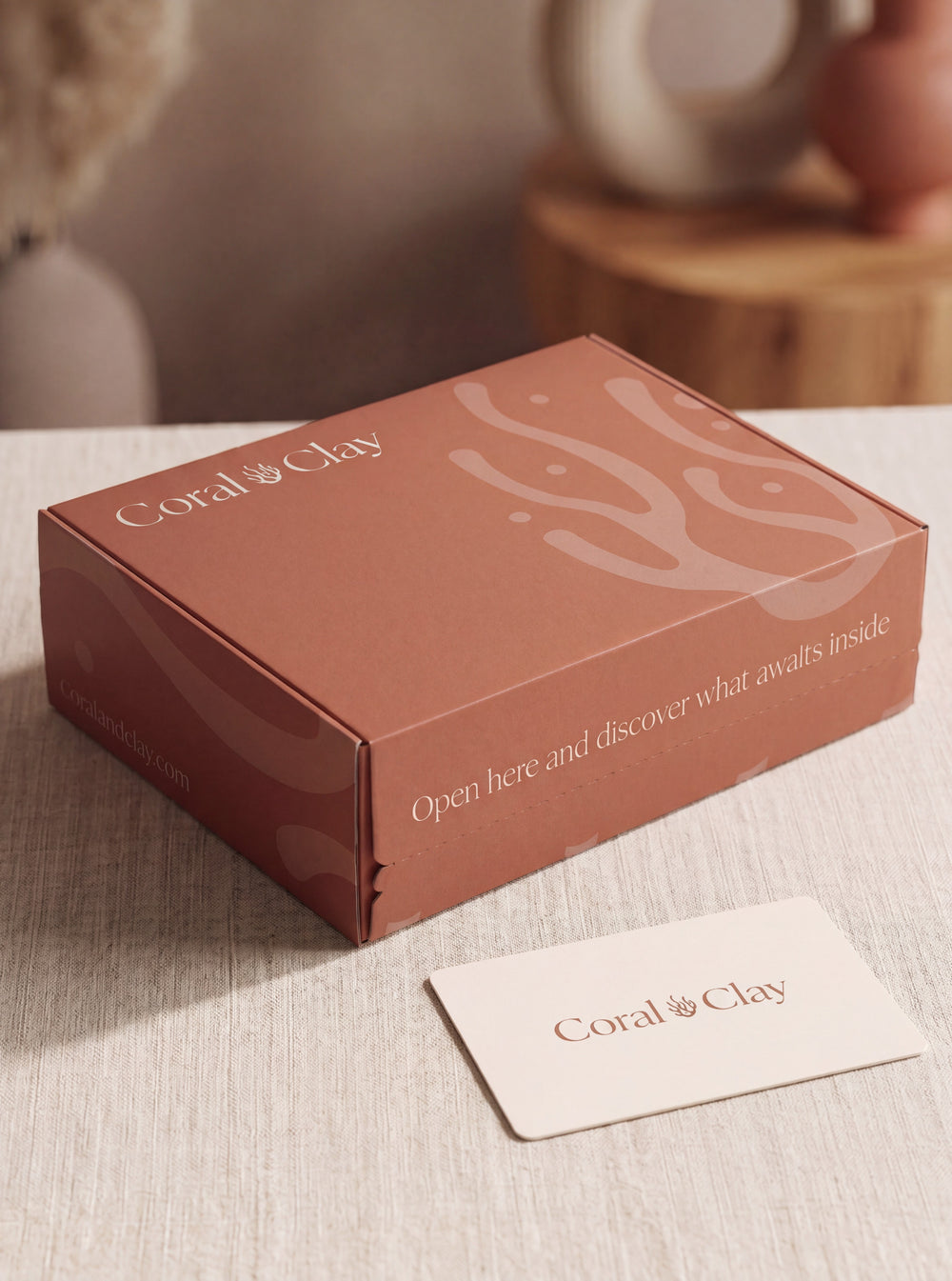
For a mixed team or client list, an inclusive holiday gift does not have to mean identical contents. Start with an alcohol-free concept, avoid assuming that everyone wants food or fragrance, and prepare a small number of equally considered alternatives. Keep the quality, presentation and message consistent so that a different option never feels like a lesser gift.
This guide helps Netherlands-based HR, People and client teams choose the contents of an end-of-year gift. For budgets, approvals and the wider schedule, use our corporate Christmas programme guide. Here, the question is narrower: what can this group genuinely use or enjoy?
Choose around an activity, not a demographic
“A quiet afternoon”, “a useful desk companion” or “something to enjoy after work” gives a selection a purpose. “Gifts for men” and “gifts for women” tell you little about individual preferences. Neither a job title nor someone's age tells you whether they drink coffee, like scented products or want food.
Write a one-sentence concept before choosing items: “A short winter break, with a warm drink and one useful object.” Then test each proposed product against that sentence. Remove items that only add bulk or repeat the same function. Two or three complementary items can be more coherent than a larger assortment with no clear use.
For clients, first check whether a gift is permitted under their organisation's policy. A well-matched present is still the wrong choice if the recipient cannot accept it.
Three possible directions, with their limits
These are illustrative concept briefs, not ready-to-order boxes or promises of availability. Specific products, quantities and suitability need confirmation.
| Concept | Possible contents | Check before choosing |
|---|---|---|
| A winter drinks break | Tea or coffee, a suitable cup and a separately packaged treat | Drink preference, ingredients, preparation equipment and whether every item can be used independently |
| A useful everyday companion | A well-made notebook, a pen and a personal card | Paper and writing quality, whether the recipient uses notebooks, and restrained branding |
| A small moment at home | A practical home accessory with a complementary item and a card | Storage space, care instructions, fragility and whether fragrance or an open flame is involved |
Choose the direction with the fewest unresolved assumptions for your group. A notebook is not automatically useful to everyone; a food-free concept is not automatically fragrance-free. Describe the actual contents rather than relying on a reassuring category label.
Make alcohol-free the starting point
When preferences are unknown, there is no need to make alcohol the centre of the gift. A warm-drink concept, a useful object or a food-free selection can still feel seasonal through the card and presentation. Avoid treating an alcohol-free version as the standard box with its main item simply removed.
If the brief excludes alcohol entirely, ask for a product-level check, including confectionery and other ingredients. Do not assume that a box without a bottle meets that requirement. Where an alcohol option is specifically requested, it needs a separate suitability and delivery review rather than becoming the default for the whole group.
Food needs an exact check, not a broad promise
Ask for current ingredient lists, highlighted allergens and any cross-contamination warnings for the proposed products. The NVWA's guidance on food labelling explains allergen declarations and precautionary warnings. Keep the original labels available to the recipient.
For selection purposes, separate a taste preference from a dietary requirement and a food allergy. They are not interchangeable. A vegan label is not an assurance that a product is safe for someone with an allergy. If suitability cannot be established, do not improvise a food substitution or make a safety promise; consider a food-free alternative and confirm its contents with the recipient where appropriate.
Also check practical use: does the food require refrigeration, cooking, an appliance or sharing with several people? A gift that depends on a household or kitchen you have imagined may not fit the actual recipient.
Design alternatives to feel equivalent
Match alternatives by the overall experience, not the number of products. Use a similar product-value allowance, comparable quality, the same care in presentation and an equally personal message. One substantial object can be equivalent to several smaller food items; an empty space where the main product used to be is not.
For example, imagine an organisation choosing a tea, cup and biscuit concept. It also prepares a food-free notebook-and-pen concept with the same product allowance and presentation standard. The buyer checks the writing quality rather than adding inexpensive fillers to match the item count. Both variants receive the same thank-you message. This is a hypothetical comparison, not a Coral & Clay product offer.
Use neutral option names based on contents, such as “tea and treats” and “notebook and pen”. Avoid recipient-facing labels such as “special diet”, “allergy box” or “non-drinker”. They reveal or imply information that is not needed to enjoy the gift.
Ask for a choice without asking for someone's history
A short choice between clearly described contents is usually more useful than a questionnaire about why someone avoids a product. Include a discreet way to decline, and do not interpret silence as confirmation of suitability.
The European Data Protection Board explains that identifiable preferences are personal data, while health and religious information receive additional protection. Collect only what is necessary, restrict access and agree when the information will be deleted. A variant code linked to a person is not anonymous. Ask your privacy lead to review the process where sensitive information is involved; this is general planning information, not legal advice.
Check the whole box before approving it
- Can you explain why each product suits this group without relying on gender, family situation or assumed beliefs?
- Is there a credible alternative where food, alcohol or fragrance would make the concept unsuitable?
- Have ingredients, warnings, storage and preparation requirements been checked for the exact products?
- Do alternatives offer comparable value and presentation rather than fewer contents by default?
- Does the outer packaging avoid exposing the recipient's preference or reason for choosing?
- Are substitutions subject to a fresh suitability check and buyer approval?
- Does the card recognise the year without assuming everyone celebrates Christmas?
A simple message can be enough: “Thank you for your contribution this year. We hope you enjoy a restful end to the year.” Keep names and sign-off accurate, and let recipients enjoy the gift without an expectation to post a photograph or share personal feedback.
Turn the selection into a clear brief
We develop corporate gift concepts around the audience, occasion, budget and delivery requirements. Share the preferred direction, any exclusions and the standard you want alternatives to meet. Product suitability and availability need to be confirmed for the proposal; specialist dietary or allergy-safe boxes are not a guaranteed service.
Request a proposal for your end-of-year gifts, with your recipient group, approximate quantity and the selection checks that matter to you.