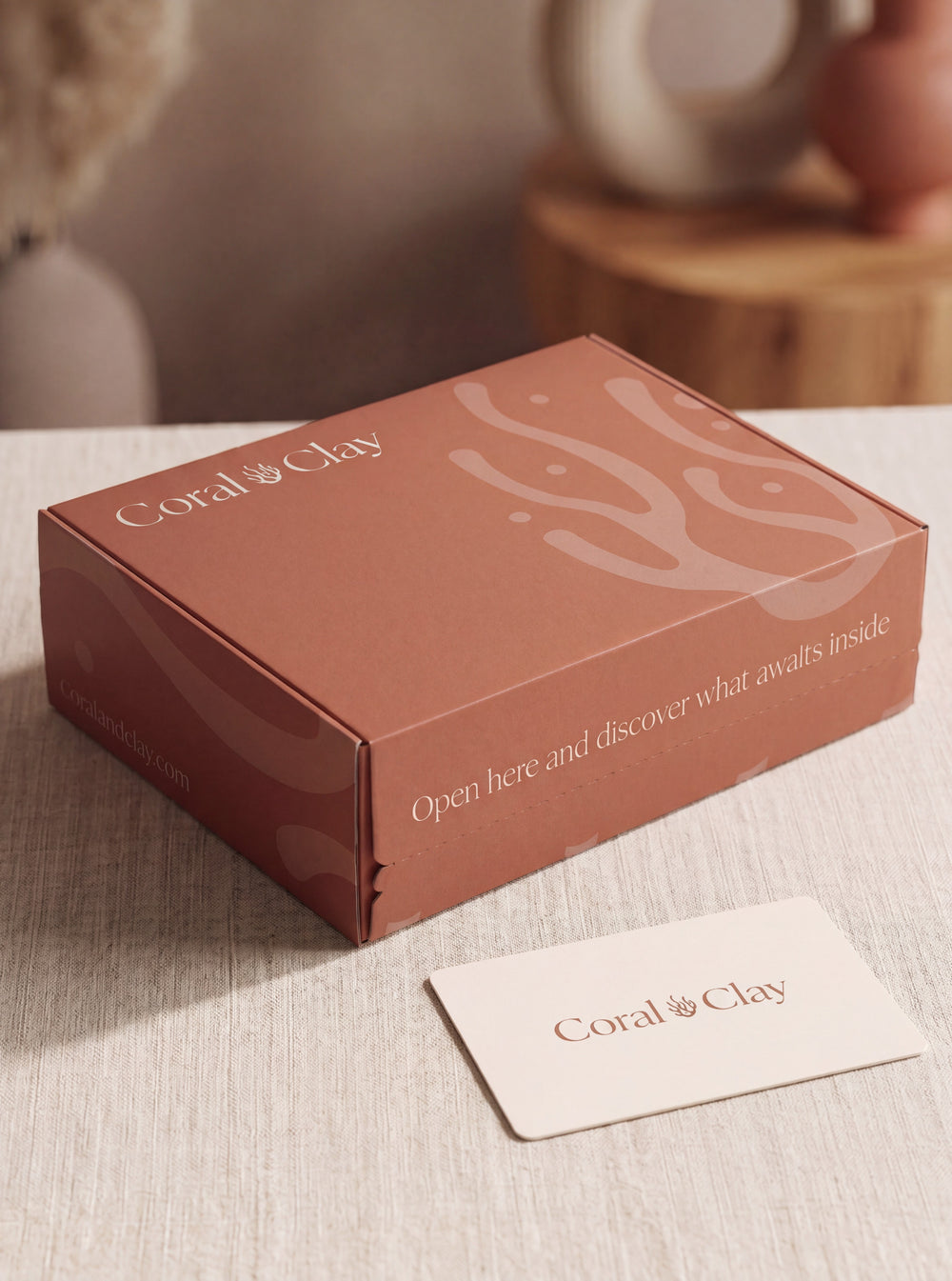
A fair employee birthday programme is consistent about who is included and how much attention each person receives, but flexible enough to respect individual preferences. Set the eligibility, complete budget, timing, choice model, privacy rules and exception process before selecting gifts. That prevents visible colleagues receiving more than remote, part-time or operational team members simply because they are easier to remember.
The goal is not to make every birthday identical. It is to make the process dependable, considerate and manageable throughout the year.
Decide what “fair” means before choosing gifts
Write a one-page programme rule that answers the same questions for everyone. This gives HR, People or Office teams a basis for decisions when circumstances differ.
| Decision | Question to settle | Practical rule |
|---|---|---|
| Eligibility | Which employees, interns, contractors or temporary staff are included? | Use an objective rule that can be applied consistently. |
| Budget | What does the amount per recipient include? | Count the gift, packaging, card, personalisation, delivery and relevant tax treatment. |
| Timing | Should the gift arrive before the birthday, on the day or in the nearest working week? | Choose one standard and define what happens at weekends and during leave. |
| Choice | How can recipients avoid an unsuitable gift? | Offer a small set of approved alternatives instead of an unrestricted catalogue. |
| Privacy | Who can see birthdays, addresses and preferences? | Limit access to the people who need it for planning and delivery. |
| Exceptions | What happens after a late start, address change, failed delivery or extended absence? | Give one programme owner authority to resolve exceptions. |
Fairness is better measured by comparable care than by identical contents. A colleague who avoids alcohol may need a different box; a remote employee may need individual delivery; an office team may receive gifts together. Those differences can still follow the same budget and standard of attention.
Make participation genuinely optional
Not everyone wants a birthday recognised at work. Give people a discreet way to opt into or out of the gift, a public team message and a shared celebration separately. Someone may welcome a private delivery but prefer not to have their age or birthday announced.
Collect only the information the programme needs. For scheduling, the month and day are usually enough; a birth year is rarely necessary. For delivery, ask for a confirmed address close to the dispatch date rather than reusing an address from another system without checking the organisation’s approved process.
The European Data Protection Board lists purpose limitation, data minimisation, accuracy, storage limitation, integrity and confidentiality among the core data-protection principles. Apply them practically: explain why information is requested, keep access narrow, correct errors and remove temporary delivery lists when they are no longer needed. See the EDPB’s overview of the GDPR principles. This is operational guidance, not legal advice; the organisation’s privacy lead should confirm the process.
If home delivery is part of the programme, the related corporate gift address checklist covers the handover, access and retention decisions in more detail.
Offer limited, useful choice
A single gift for everyone is easy to administer but can exclude people. An unrestricted choice scheme creates a different problem: too many products, decisions and exceptions. A useful middle ground is three or four approved routes that share a comparable value and presentation standard.
- Food and drink: use current ingredient and allergen information, with an alternative for people who cannot use the standard selection.
- Alcohol- and fragrance-free: avoid making a sensitive preference visible to the wider team.
- Home or desk: choose products that do not depend on clothing sizes or assumptions about gender.
- Compact delivery: use this where the confirmed contents and packaging genuinely suit the delivery format.
Ask only for preferences that affect the gift. Do not invite employees to disclose health information when a simple product-route choice will solve the problem. Check current product information before ordering rather than describing any box as universally suitable.
Separate birthdays from other employee milestones
A birthday recognises the person. A work anniversary recognises service, and a general appreciation gift recognises a contribution or shared result. Keeping these purposes separate helps avoid hidden hierarchies.
For example, a milestone birthday does not automatically justify a larger company-funded gift if the organisation does not have an agreed rule. Seniority should not silently change the birthday budget either. If service milestones use different levels, document those levels in a separate work-anniversary programme.
Managers may add a personal message, but the central programme should not depend on who has the most attentive manager. Set reminders and ownership centrally, then invite the manager or team to contribute a specific sentence before a clear deadline.
Write a warm message without making it awkward
A useful birthday message has four parts:
- Use the person’s preferred name and wish them a happy birthday.
- Name one real contribution, quality or moment you appreciate.
- Add a simple wish for the year ahead.
- Sign it from the people who genuinely send the message.
For example: Happy birthday, Sam. Thank you for the calm and clarity you bring to our weekly planning. We hope you have a lovely day and plenty to look forward to in the year ahead. — The Operations team
Avoid jokes about age, retirement, drinking, health, family plans or how somebody looks. Do not describe the employee as “family” unless that language is genuinely part of the relationship and welcome to the recipient. Check names and diacritics before a card goes to print.
Plan office, home and EU delivery differently
| Situation | Recommended approach | Control to add |
|---|---|---|
| Office handover | Give the gift privately or during an agreed team moment. | Confirm attendance and who will hand it over. |
| Consolidated office delivery | Send several labelled gifts to one workplace. | Brief reception and nominate a secure storage point. |
| Home delivery | Use a recently confirmed address and delivery week. | Assign one person to handle tracking, returns and corrections. |
| Hybrid employee | Let the employee confirm office or home delivery. | Close the choice before the order deadline. |
| Employee in another EU member state | Check destination, product and carrier requirements early. | Do not promise the date until the route and contents are confirmed. |
| Employee on leave | Agree a private delivery or a later return-to-work moment. | Do not disclose the reason for absence to suppliers or colleagues. |
Use one source list for names, languages, routes and addresses, with version control and a clear cut-off. Parallel email lists are a common cause of misspellings, duplicate gifts and parcels sent to old addresses.
Check the Dutch tax treatment before setting the budget
For employers in the Netherlands, employee gifts may need to be dealt with under the werkkostenregeling (WKR). The Belastingdienst states that the 2026 discretionary margin is 2.00% of taxable wages up to € 400,000 and 1.18% above that amount; expenditure above the available margin can be subject to an 80% final levy. Its current WKR explanation also makes clear that the margin applies across the employer’s eligible reimbursements and benefits, not to a birthday gift in isolation.
Ask payroll or a tax adviser to confirm the treatment for the organisation and include it in the full programme budget. This article provides planning information, not tax advice.
Run one monthly process
- Look ahead: review participating birthdays six to eight weeks in advance.
- Check changes: confirm employment status, participation, preferred name, gift route and delivery location.
- Close choices: set one deadline for preferences and address corrections.
- Approve: confirm the message, total cost and any exception before ordering.
- Dispatch: use a tracked handover process and one owner for delivery problems.
- Close the cycle: record the outcome and remove temporary address files according to the approved retention rule.
For new starters, decide whether they enter the programme immediately or after a defined point. For people leaving the organisation, set a cut-off that HR can apply without disclosing confidential details.
Measure reliability, not gratitude
The first measures should be operational: eligible birthdays covered, gifts delivered on time, address corrections, failed deliveries, opt-outs and avoidable exceptions. A recipient should not have to praise the gift to prove the programme works.
Review the programme at least annually. Check whether the participation rule still makes sense, alternatives are genuinely usable, the budget remains complete and the process works equally well for office, remote and internationally based employees within the supported scope.
Employee birthday programme checklist
- Eligibility and opt-in rules are documented.
- The full per-person budget includes packaging, card, delivery and tax treatment.
- Birthday, public announcement and celebration preferences are separate.
- Only necessary personal data is collected and access is limited.
- Three or four comparable gift routes cover predictable preferences.
- Names, messages, addresses and delivery routes have one verified source.
- Weekend, leave, remote-work and failed-delivery exceptions have owners.
- Payroll or a tax adviser has confirmed the WKR treatment.
- Delivery success is measured without pressuring recipients for praise.
Coral & Clay creates recurring employee-gift programmes around the occasion, budget, presentation and delivery needs. Explore our employee-gifts service and share the expected annual volume, budget, birthday pattern, branding needs and EU destinations so we can confirm a practical approach.