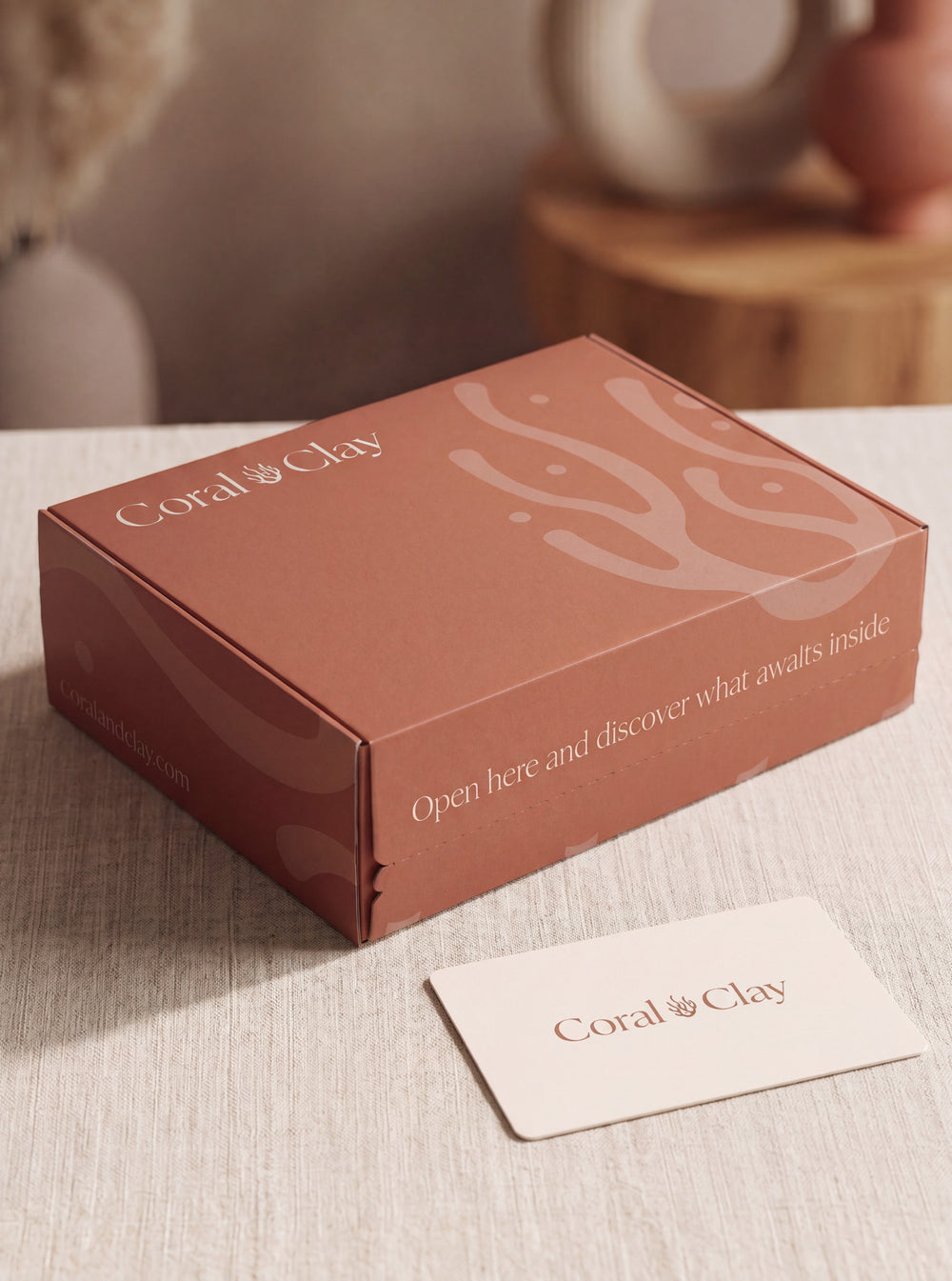
The EU Packaging and Packaging Waste Regulation (PPWR) changes what organisations need to ask about a corporate gift box. It is not enough to approve the colour, logo and price. Buyers also need clarity about who holds each legal role, what evidence supports the materials and claims, where the box will become waste and which later design deadlines affect packaging ordered now.
Regulation (EU) 2025/40 entered into force on 11 February 2025 and generally applies from 12 August 2026. It covers packaging of every material placed on the EU market, including sales packaging, grouped packaging, transport packaging and e-commerce packaging. This guide turns the main buyer questions into a usable procurement checklist. It provides general information, not legal advice; confirm the position for your organisation, packaging and destination countries with qualified legal or compliance advisers.
What changes on 12 August 2026?
The PPWR applies across the packaging life cycle. The European Commission summarises its scope as manufacturing, composition, reusable or recoverable design, waste prevention and waste management. The regulation says all packaging placed on the market must be recyclable. The Commission's 2026 guidance explains that this general requirement applies from 12 August 2026, while the detailed design-for-recycling grades and recycled-at-scale tests take effect later.
Other provisions also matter immediately. These include substance restrictions, specific PFAS limits for food-contact packaging, duties for manufacturers and importers, conformity assessment, technical documentation and an EU declaration of conformity. Read the official text of Regulation (EU) 2025/40 and the European Commission's 2026 implementation guidance for the exact provisions.
Do not assume the packaging supplier owns every obligation
The PPWR distinguishes several roles. They can sit with different businesses, and the company that physically converts or prints a box is not automatically the only responsible party.
| Role | Practical question for the project | Evidence to record |
|---|---|---|
| Manufacturer | Who has the packaging designed or manufactured under its name or trademark? | Named entity, basis for the role, conformity assessment, technical file and EU declaration of conformity |
| Importer | Is packaging entering the EU from a third country, and who first places it on the Union market? | Importer identity, contact details and confirmation of its checks |
| Distributor | Who makes the packaging available further in the supply chain? | Supplier chain and checks before onward supply |
| Producer for extended producer responsibility | Who first makes the packaging or packaged product available in each Member State where it is expected to become waste? | Destination-by-destination responsibility, registrations, reporting and fee owner |
| Filler or user | Who fills the gift box, grouped packaging, shipping carton or e-commerce packaging? | Packaging layers used, filling location and responsibility for empty-space rules |
The Commission guidance notes that a brand owner which orders and decides the design specifications may be the manufacturer, even when another business physically produces the box. A limited micro-enterprise exception can change that result when the supplier is established in the same Member State. The producer for extended producer responsibility (EPR) can be a different entity again.
Put the role allocation into the brief and contract. “Our packaging supplier handles compliance” is not a sufficient record unless the contract identifies the requirement, the responsible entity and the evidence to be supplied.
Map every packaging layer
A corporate gift can contain several PPWR packaging units. List them before requesting evidence:
- the presentation gift box and lid, sleeve or closure;
- tissue, filler, dividers and fitted inserts;
- labels, cards or other components that perform a packaging function;
- individual packaging around food, drink, cosmetics or merchandise;
- grouped packaging used to hold several gifts together;
- the outer shipping carton, protection, tape and void fill;
- pallet wrap, straps or other transport packaging.
Classify the function of each layer rather than calling everything “the box”. A sales gift box and an e-commerce shipping carton can be subject to different requirements and dates.
Ask the supplier for a compliance evidence pack
Before approving production, request documents tied to the exact structure, material and artwork version. A useful pack should answer:
- What are the materials and weights of the box, insert, coating, laminate, adhesive, ink, label and closure?
- Which business is the legal manufacturer, and who will issue the EU declaration of conformity?
- What technical documentation demonstrates compliance with the applicable requirements in Articles 5–12?
- How has recyclability been assessed for the complete packaging unit, including finishes and components?
- Which substances-of-concern and food-contact checks apply?
- Which labels are required now, and which artwork area is reserved for later harmonised labels?
- Who owns EPR registration, reporting and fees in every destination country?
- How will a material, supplier, finish or artwork change trigger re-assessment?
Do not accept a generic sustainability brochure as evidence for a specific box. Record document dates, product or material references and the approved revision.
Give food-contact packaging its own check
Gift boxes often combine packaged food with presentation materials. Establish which component is intended to touch food. A wrapped chocolate bar sitting inside a gift box is different from unwrapped confectionery placed directly in a tray or paper liner.
From 12 August 2026, the PPWR restricts PFAS in food-contact packaging at specified concentration limits. Other EU food-contact rules continue to apply as well. Ask the supplier to identify the food-contact layer, confirm the legal basis for its suitability and provide evidence addressing the PPWR PFAS limits and any other applicable material rules. Do not infer compliance from the words “paper”, “natural” or “grease-resistant”.
Design for recyclability and less packaging
The regulation's direction is clear even where detailed methods arrive later: packaging should be recyclable and unnecessary weight and volume should be removed without undermining protection, hygiene, transport or presentation.
For a branded gift box, test the complete design:
- Can the recipient separate different materials without tools?
- Do magnets, foam inserts, plastic windows, metallised films, laminates, ribbons or heavy adhesive areas affect the recycling route?
- Can a fitted insert be made from the same material family as the box?
- Does the box protect the contents at a smaller size?
- Is a decorative component performing a real function?
- Will a finish make an otherwise recyclable fibre package harder to sort or recycle?
From 1 January 2030, or later where the regulation ties the date to delegated acts, design-for-recycling performance grades begin to control whether packaging may be placed on the market. The packaging-minimisation requirements also become more specific from 2030. A box ordered in 2026 may be used again for a recurring programme, so ask whether its design can survive the next artwork and compliance cycle.
Apply the empty-space rule to the right layer
The widely quoted 50% empty-space limit is not a universal rule for every gift box. Under Article 24, it applies to grouped, transport and e-commerce packaging from 1 January 2030 or three years after the relevant implementing act enters into force, whichever is later. The Commission still has to establish the calculation method.
Sales packaging is subject to minimisation requirements, but not that fixed 50% threshold. For procurement, measure the presentation box and outer shipping packaging separately. Record why any necessary space protects irregular, fragile or multi-item contents rather than treating generous empty space as part of a premium look.
Leave room for harmonised labels
The PPWR introduces harmonised material-composition and sorting labels. The main packaging label applies from 12 August 2028 or 24 months after the relevant implementing acts enter into force, whichever is later. Other timing applies to reusable packaging and some voluntary recycled- or bio-based-content information.
Do not invent a future PPWR symbol or add an unsupported recycling statement to artwork. Ask the packaging supplier which current national markings remain applicable, reserve a clean label area and make the artwork easy to update when the EU specifications are final for the relevant packaging.
Check EPR for every destination country
The PPWR seeks to identify one producer for each packaging unit in the Member State where the packaging is first made available and expected to become waste. For direct cross-border supply to end users, the seller can become the producer in the recipient's Member State. That can create registration, reporting, authorised-representative and fee questions in more than one country.
Create a destination matrix showing the recipient country, sales model, entity making the offer, packaging layers and proposed EPR owner. Have the result checked before launching an EU-wide gifting programme. A registration in the Netherlands does not by itself settle obligations elsewhere.
PPWR dates to put in the project plan
| Date | What buyers should plan for |
|---|---|
| 12 August 2026 | General PPWR application, including immediate provisions on recyclability, substances and economic-operator duties |
| 12 August 2028 or later linked date | Harmonised material-composition and sorting labels begin to apply |
| 1 January 2030 or later linked date | Design-for-recycling grades, stronger minimisation requirements and the 50% empty-space rule for relevant packaging categories |
| 1 January 2035 or later linked date | Recycled-at-scale criteria join the recyclability assessment |
Several dates use a “whichever is later” formula tied to future delegated or implementing acts. Re-check the European Commission's PPWR implementation page before every major production run rather than relying on a calendar copied into an old brief.
Buyer approval checklist
- Every packaging layer and destination country is listed.
- Manufacturer, importer, distributor, producer and filler roles are allocated in writing.
- The exact materials, coatings, adhesives, inks and closures are documented.
- Food-contact components have separate evidence, including the PPWR PFAS check.
- Recyclability is assessed for the complete packaging unit.
- Presentation and shipping packaging are measured separately for minimisation and empty-space analysis.
- Current labels are verified and space is reserved for later harmonised labels.
- EPR registration, reporting and fees have an owner in every relevant Member State.
- Technical documentation and the EU declaration of conformity are available from the responsible entity.
- The contract defines how material, artwork or supplier changes trigger a new check.
Build compliance questions into the packaging brief
Packaging compliance works best when it is part of structure and supplier selection, not a final artwork check. Our custom printed gift-box guide covers dielines, product fit, proofs and production control in more detail.
If you are planning gift boxes in your organisation's house style, request a branded gift-box proposal. We can coordinate the packaging brief and supplier questions as part of the project, while your legal or compliance adviser confirms the obligations that apply to your organisation and destinations.