If you want custom-branded corporate Christmas gifts for 2026, start now and aim to approve the concept by early October. As of 23 September, there is still time for a considered programme, but decisions about products, packaging, artwork and delivery routes should no longer remain open. A smaller project using available products and standard packaging may have more flexibility, subject to confirmation.
For most Netherlands-based teams, a sensible working target is for gifts to arrive by Friday 18 December 2026. The Dutch school Christmas holiday begins on 19 December, so later delivery can miss employees who take leave or leave their usual address. The dates are published by the Dutch government. Treat 18 December as a planning target, not a carrier guarantee.
This article answers one question: when do we need to decide? For audience, budget, alternatives and programme design, use our corporate Christmas gift planning guide. For a reusable method outside the Christmas season, see our corporate gift lead-time guide.
The 2026 ordering timeline at a glance
| Working date | Decision to complete | Why it matters |
|---|---|---|
| By 25 September | Confirm audience, budget owner, destinations and intended arrival date | The brief determines products, packaging and delivery routes. |
| By 2 October | Choose the concept and approve the delivery model | Products and packaging cannot be reserved against an undecided brief. |
| By 9 October | Lock core products, alternatives and the quantity forecast | Supplier availability and box dimensions affect the rest of the project. |
| By 16 October | Approve final artwork, card format and message structure | Branded packaging usually needs about two weeks of production after design approval, excluding sourcing, packing and delivery. |
| Late October | Start packaging production and confirm the packing specification | Late artwork changes can affect materials and the production slot. |
| By 6 November | Freeze data fields, language routes and exception rules | Teams need one controlled way to collect names, addresses and approved alternatives. |
| By 20 November | Deliver the final verified recipient file and close routine additions | Packing labels, cards and dispatch routes need stable data. |
| 30 November–11 December | Pack, inspect and dispatch by route | Office, home and cross-border deliveries do not all need the same send date. |
| By 18 December | Target receipt or office handover | This leaves room before the school holiday and Christmas week. |
These are working dates for planning, not universal cut-offs. Product choice, print method, quantity, country mix and approval speed can move every stage. Confirm the actual schedule in the proposal before making internal promises.
Choose the right lane before you ask for a delivery date
Fully printed packaging
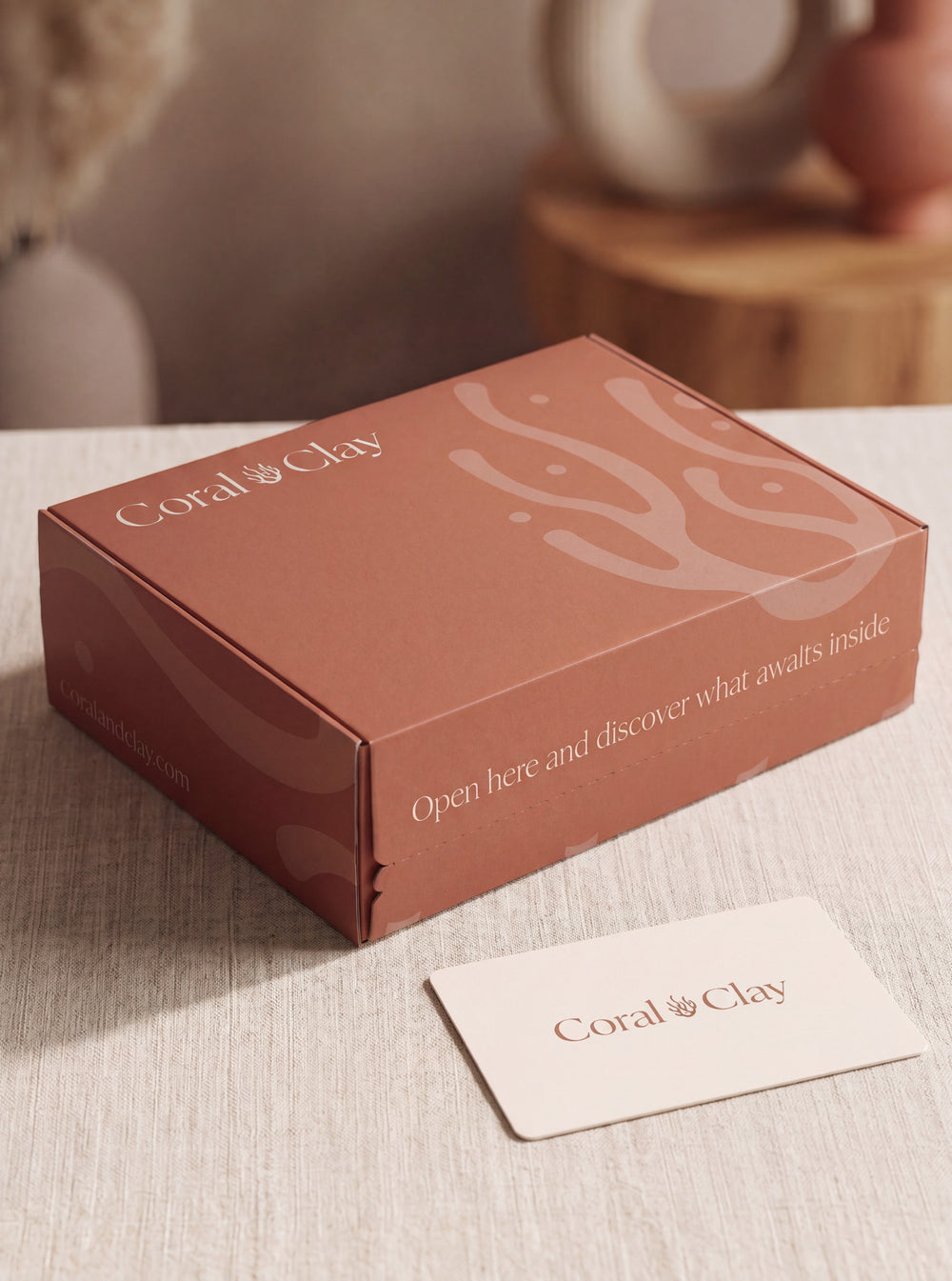
Use this lane when the box itself carries the campaign design. Fully printed packaging normally becomes commercially sensible at around 10–20 boxes, depending on the project. Allow time for design, approval and approximately two weeks of production after final approval, then add sourcing, packing and delivery. At this point in September, delayed artwork is a greater schedule risk than the first concept discussion.
Standard packaging with selected branded elements
This can be a practical middle route. A card, insert, sealing label or selected branded product may express the campaign without printing every packaging surface. The exact branding method, minimum quantity and production time still need confirmation.
Available products with standard presentation
A smaller or later programme may use available products and standard packaging. This reduces some production dependencies, but it does not remove the need to confirm stock, recipient requirements, packing capacity and delivery. Do not treat “in stock” as a Christmas delivery promise.
What must be decided this week?
If the project is still only an idea, settle these six points before requesting detailed concepts:
- Recipient groups: employees, clients, partners or separate concepts for each.
- Working quantity: confirmed recipients, likely additions, alternatives and replacements.
- Budget scope: whether the figure includes products, packaging, branding, cards, packing, delivery and tax.
- Destinations: Dutch offices, individual homes, event venues or other EU member states.
- Arrival window: the date recipients should have the gift, not the date the supplier should dispatch it.
- Approval owner: one person who can approve concept, artwork and final changes.
A precise brief does not limit creativity. It prevents the team from comparing attractive concepts that cannot meet the same budget, destination or timing.
When should products and alternatives be locked?
Approve the core product list by early October where possible. At the same time, approve rules for substitutions and equivalent alternatives. Useful checks include:
- availability at the forecast quantity;
- shelf life and storage needs;
- ingredients and allergen information;
- alcohol-free or fragrance-free routes where needed;
- fragility, packed weight and dimensions;
- fit with home, office and cross-border delivery;
- what makes a substitute genuinely equivalent.
Do not build the primary concept first and leave every alternative until November. Alternatives affect sourcing, box size, card allocation and the recipient file.
When should recipient data be final?
Define the data process in October and aim to close the verified recipient list by 20 November. Collect only the fields needed for the project, use one controlled source and give one person responsibility for corrections. If individual home delivery is planned, allow time to resolve incomplete addresses and special characters before labels are produced.
Late starters and last-minute clients need a pre-agreed route. Options may include an unallocated standard gift, a later dispatch or a separate undated concept. A clear exception rule is safer than reopening every approved box.
Why 18 December is a useful arrival target
Christmas Day falls on Friday 25 December and Boxing Day on Saturday 26 December in the Netherlands. PostNL’s current 2026 business schedule states that it will not deliver parcels on those days and shows limited parcel acceptance on 24 December, with the next listed delivery day on 28 December. It also asks business customers to plan holiday collection changes in advance. Check the current PostNL holiday schedule again before dispatch, and confirm the carrier used for each route.
The practical lesson is not to aim for 24 December. Plan for the moment the gift should be received, include a replacement buffer and avoid relying on the final working days before Christmas.
What if you are already late?
A late project can still be useful if you reduce variables deliberately:
- choose standard packaging rather than a new fully printed box;
- select from products whose quantity and timing have been confirmed;
- use one strong card design with a controlled message field;
- reduce the number of delivery routes or group office deliveries where appropriate;
- separate late recipients instead of holding the full campaign;
- use removable, undated campaign elements where possible;
- ask for a written schedule before announcing the arrival date.
Do not compensate for lost time by skipping product checks, address validation or approval. Reduce complexity instead.
Final decision checklist
- The intended arrival date is agreed.
- The audience, quantity forecast and budget have named owners.
- The packaging lane fits the remaining time.
- Products and alternatives have a decision deadline.
- Artwork has one final approver.
- Recipient data has one secure, controlled source.
- Office, home and EU delivery routes are separated.
- Late additions, returns and replacements have an owner.
- The schedule has been confirmed for this specific proposal.
Turn the deadline into a workable brief
Coral & Clay develops custom corporate Christmas gift concepts around the audience, budget, brand and delivery requirements, with corporate delivery available to EU member states subject to project confirmation. Request a corporate Christmas gift proposal and include your quantity, destinations and preferred arrival date.