A successful Sinterklaas gift starts with seven decisions: who the gesture is for, whether participation is appropriate, when it should arrive, what budget applies, what the gift should communicate, how recipients will receive it and who approves the final list. Make those decisions before comparing boxes or products. You will create a more consistent experience and leave enough time for artwork, address checks and delivery.
This guide is for HR, People, office and operations teams planning a Sinterklaas moment for employees in the Netherlands. It treats Sinterklaas as its own occasion rather than a smaller version of a Christmas campaign.
First decide whether Sinterklaas is the right moment
Sinterklaas can suit a Dutch team, a family-focused event or an organisation that already marks the occasion. It is not automatically right for every workforce. International colleagues may not know the tradition, some people may not celebrate it and others may prefer not to join an organised seasonal activity.
Use a simple recipient rule that can be explained in one sentence. For example: every employee on the payroll on the chosen reference date receives the same gift, with a discreet opt-out and an equivalent alternative where needed. Avoid letting individual managers decide who is included. That creates uneven recognition and makes quantities harder to control.
If the main purpose is year-end appreciation across several countries, a neutral winter or Christmas programme may be clearer. If the purpose is a recognisable Dutch team moment in late November or early December, Sinterklaas can be the more relevant choice.
Plan backwards from the handover date
Choose the date on which employees should actually receive the gift, then build the schedule backwards. The ranges below are planning buffers, not fixed supplier promises.
- Eight to ten weeks before: confirm the purpose, eligible group, budget owner, delivery model and approval route.
- Six to eight weeks before: select the gift direction, identify dietary or practical alternatives and decide whether packaging or merchandise needs branding.
- Four to six weeks before: approve the contents, card message and artwork. Confirm final production and packing lead times for the chosen concept.
- Two to four weeks before: freeze quantities where possible, validate office or home-delivery data and agree how late starters, leavers and address corrections will be handled.
- Delivery week: allow a buffer, name the person responsible for receiving consolidated deliveries and keep a short exception list for delayed or returned parcels.
Custom, high-volume or branded projects normally need more time than gifts using available products and standard packaging. If timing is the main concern, use this corporate gift lead-time guide to test the schedule before committing to a concept.
Set a budget that includes the whole experience
A per-person product budget is not the total project budget. Include packaging, printing, cards, individual messages, packing, address handling, delivery and a small contingency. Ask suppliers to make those elements visible in the quotation so that two proposals can be compared on the same basis.
For gifts to employees in the Netherlands, ask payroll or finance to confirm the tax treatment before approval. The Dutch Tax Administration explains the current work-related costs scheme, including the 2026 discretionary-space percentages and the levy that can apply above that space. The correct treatment depends on the employer and the full circumstances, so this is a planning prompt rather than tax advice.
Choose contents people can actually use
A Sinterklaas gift does not need to reproduce a traditional sweet assortment. Start with the recipient experience and the practical limits of your group.
- For a shared office moment: choose items that are easy to distribute, open and enjoy during or after the event.
- For home delivery: prioritise stable products, sensible parcel dimensions and packaging that protects the contents.
- For mixed preferences: avoid building the entire concept around alcohol, fragrance or one dietary profile. Plan a small number of equivalent alternatives instead of improvised substitutions.
- For an international team: add a short explanation of the occasion. Do not assume every recipient understands the references or imagery.
- For a lasting gesture: combine something enjoyable now with one useful item that remains relevant after the season.
Fewer well-chosen items usually create a stronger result than a crowded box of low-value fillers. Test every item against three questions: will most recipients understand why it is here, is it likely to be used or enjoyed, and does it support the message?
Keep the branding proportional
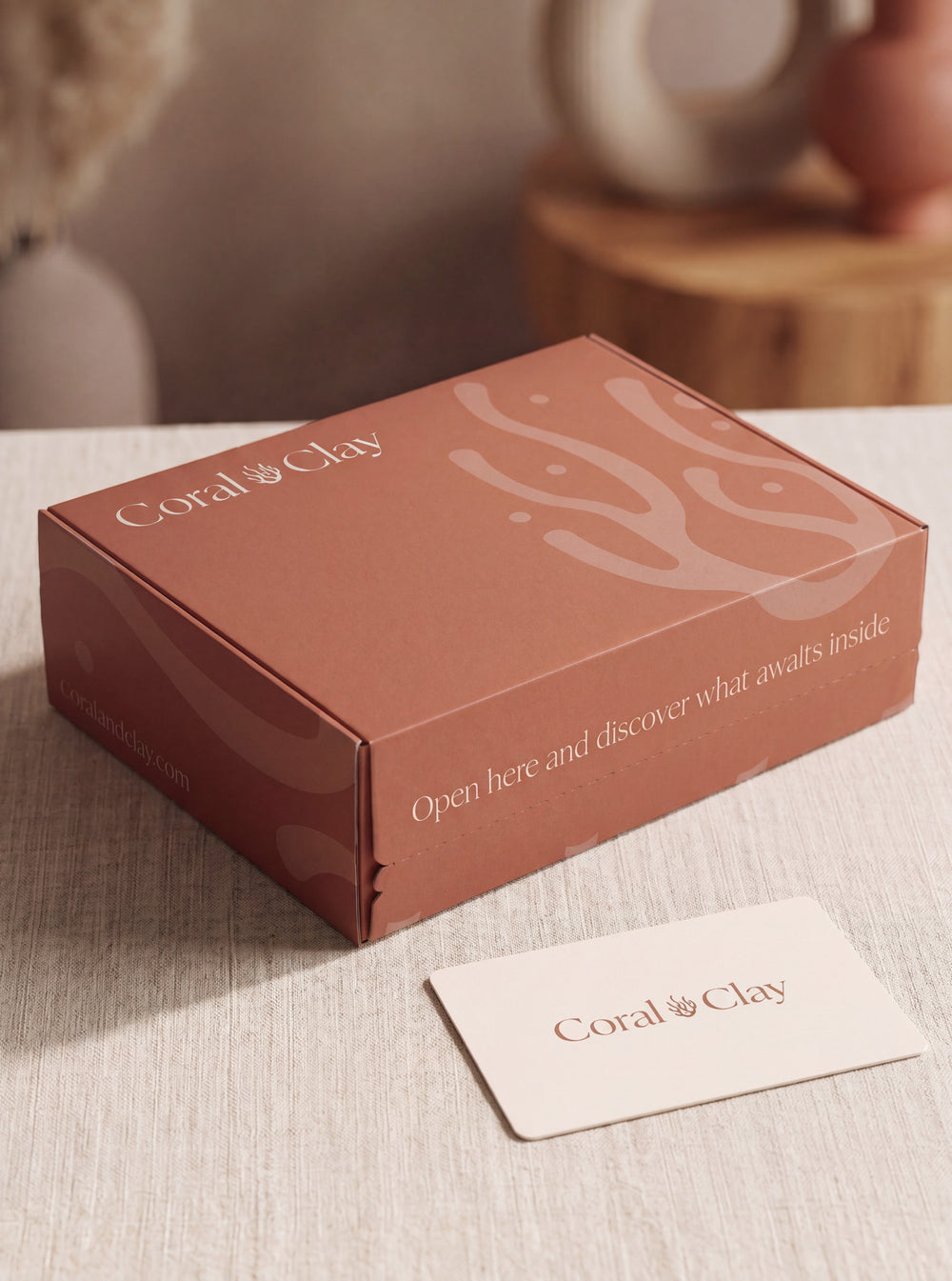
The gift should feel like appreciation from the organisation, not a bag of promotional merchandise. A coherent colour palette, considered card and well-finished packaging often communicate the sender more effectively than a logo on every item.
Use the most prominent branding where it helps orientation: on the outer box, a sleeve, sealing label or card. If you add branded merchandise, choose one item that makes sense for the audience and check the artwork, print method and proof carefully. Fully printed packaging, custom products and individualisation add approval and production steps, so decide early which details genuinely improve the experience.
Write a specific message
A short card can carry more meaning than another product. Name the occasion, connect it to the team and sign it from a real person or leadership group. Keep the wording warm but restrained.
For example:
- Team-wide: “A small Sinterklaas surprise to thank you for the care and energy you bring to the team. We hope you enjoy it.”
- International team: “Sinterklaas is a familiar Dutch tradition in early December. We are marking it with a small gift for everyone, and we hope you enjoy discovering it.”
- With an event: “Thank you for joining our Sinterklaas afternoon. This gift is for a quiet moment after the celebrations.”
Check names, diacritics, role titles and signatories before printing. If the note is identical for everyone, do not imply it is individually written.
Choose the delivery model before collecting addresses
Consolidated office delivery is usually easier to control, but it needs a named receiver, storage space and a distribution plan. Home delivery can be more inclusive for remote teams, but it introduces address collection, correction deadlines and returned-parcel decisions.
Collect only the information needed for the chosen route, set one data owner and state when the list closes. The practical steps are covered in this GDPR-aware address checklist. For either route, reserve a few unallocated gifts for new starters, data corrections or damaged parcels rather than promising that every late change can be absorbed.
Final Sinterklaas gift checklist
- The purpose and eligible group are written down.
- Participation is considerate and an alternative route is available where needed.
- The handover date and delivery model are fixed.
- The total budget includes packaging, personalisation and delivery.
- Payroll or finance has checked the relevant tax treatment.
- The contents work for the audience and foreseeable preferences.
- The message, names and artwork have named approvers.
- Quantities, address deadlines and exception rules are clear.
- Production and carrier buffers are confirmed for the actual concept.
- One person owns delivery-day questions and returned parcels.
If you want a custom Sinterklaas concept built around your team, budget, message and delivery plan, explore our employee-gifting service and share the decisions you have already made.