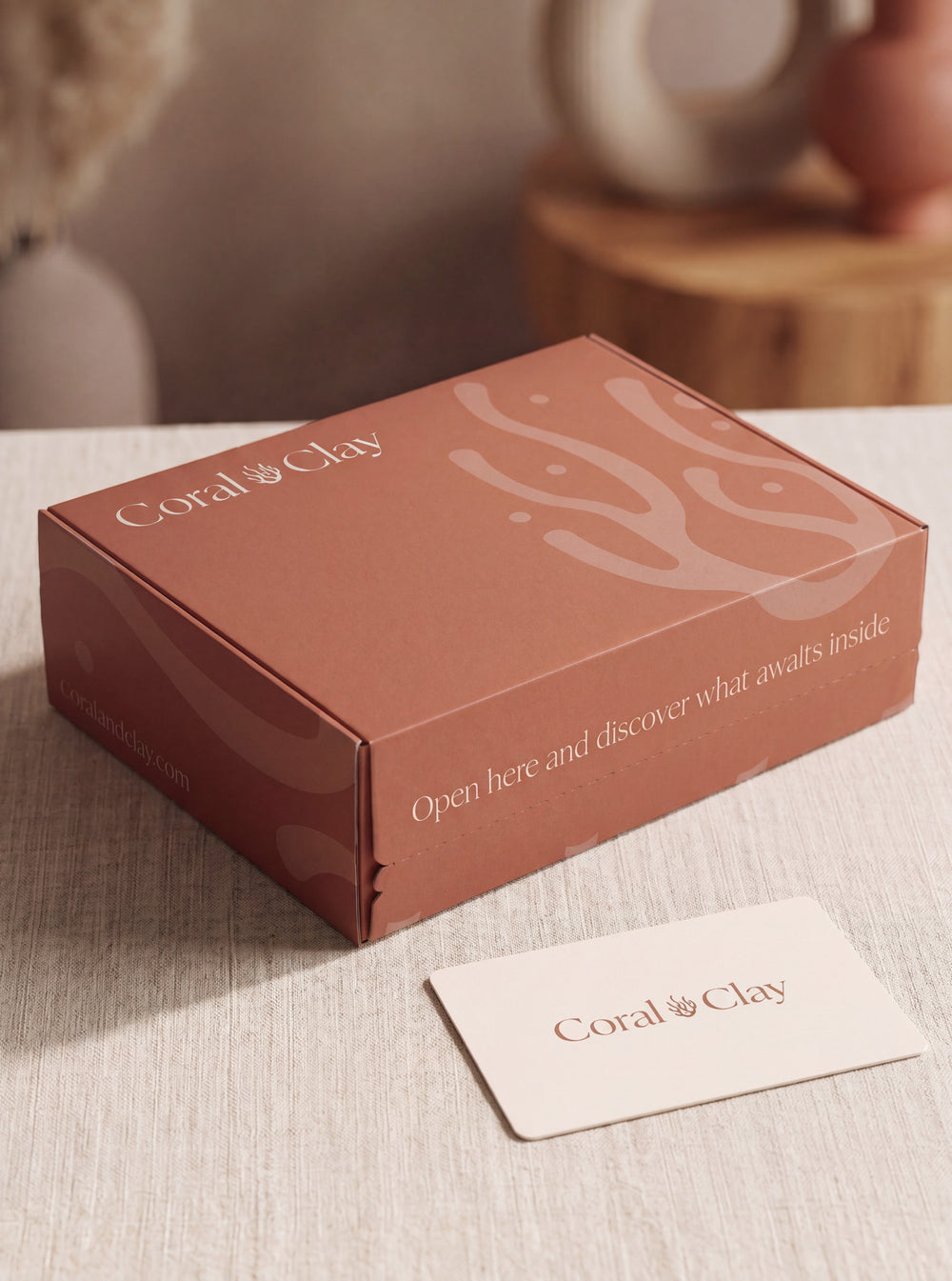
A new employee welcome gift should make the first days easier and warmer, not create another task for the person joining. The most useful programmes combine a clear welcome message, a small number of relevant products and delivery timing that fits the wider onboarding plan.
The gift does not need to contain everything a new hire needs for work. Laptops, security passes and mandatory equipment belong in an operational process with clear ownership. The welcome gift can then do a different job: express care, introduce the organisation’s character and give the new colleague a positive moment before or during their first week.
Decide what the welcome gift should achieve
Choose one primary purpose before selecting products.
| Purpose | What the gift can do | What belongs elsewhere |
|---|---|---|
| Create a warm welcome | Carry a personal note and a few considered items | Contracts, policies and legal information |
| Support the first week | Include a notebook, drinkware or practical desk item | Laptop, access credentials and required equipment |
| Introduce the culture | Show brand character through design and message | Claims about values that the working experience must prove |
| Connect a remote hire | Create a shared ritual across locations | Manager contact, team introductions and role clarity |
| Standardise onboarding | Give every eligible starter the same level of care | Identical products regardless of role, location or need |
A box cannot compensate for an unclear first day, missing equipment or an unavailable manager. Treat it as one component of onboarding, not the onboarding programme itself.
Choose the best delivery moment
Before the first day
A gift arriving a few days before the start date can reduce uncertainty and create anticipation. Use this option only after the employment details and address are confirmed, and avoid sending so early that the person has not yet told their current employer or household.
On the first day
A desk or in-person presentation works when the employee starts at a staffed location. Confirm who places the gift, who welcomes the person and what happens if the start date changes. Do not leave a named box unattended in a public reception area.
During the first week
This timing gives the manager an opportunity to connect the gift to an actual conversation. It is also more forgiving when a home address or office schedule is uncertain. The gesture should still feel planned, not like an item that was forgotten on day one.
After the first month
A later gift can mark completion of an onboarding milestone, but it should not be described as the initial welcome. If you use both moments, keep the first gesture small and put the more personalised element after the employee has shared genuine preferences.
Build a welcome gift around usefulness
Start with the working context. A home-based employee, warehouse colleague, frequent traveller and office-based analyst will not necessarily value the same products. Ask what can reasonably be standardised and where a small choice is helpful.
- Message: a signed welcome card with the manager or team named.
- Everyday item: drinkware, notebook, pen or another product suited to the role.
- Pause: a shelf-stable food or drink item with clear ingredient and allergen information.
- Brand touchpoint: one useful, restrained branded item rather than a box full of logos.
- Local relevance: a product or note connected to the office, region or team where appropriate.
Clothing creates sizing and preference questions. Alcohol, fragrance and strongly flavoured food can also exclude recipients or create avoidable sensitivity. Offer an alternative when a category is central to the concept, and verify actual product information rather than promising a broadly “allergy-safe” box.
Personalise without collecting too much data
Useful personalisation might include the recipient’s correctly spelled name, start date, language, delivery address and a limited set of relevant preferences. It does not require collecting hobbies, health details or family information for every new starter.
The European Data Protection Board explains that organisations should collect personal data only for specified purposes and limit it to what is necessary and proportionate. Apply that principle to onboarding fulfilment: tell the employee why the address or preference is requested, restrict access, correct errors and remove working lists when they are no longer needed. See the EDPB data-protection basics.
When a manager provides an employee’s home address, confirm that the organisation has an appropriate legal basis and an approved process for using it for this purpose. A secure HR workflow is usually clearer than copying personal details into email chains. This is practical fulfilment guidance, not legal advice; confirm the process with the organisation’s privacy lead.
Write a welcome message with four elements
- Welcome the person by name.
- Refer to the role, team or agreed start date.
- Express what the team is looking forward to without creating performance pressure.
- Explain the gift briefly and sign from real people.
For example:
Welcome to the product team, Maya. We are looking forward to learning from your research experience and introducing you to the people behind our current projects. We chose a few things to make your first week a little more comfortable. We are very glad you are joining us. — Lena and the product team
Avoid exaggerated claims such as “you are already part of the family”, jokes about probation or workload, and instructions disguised as a welcome note. Keep operational information in the onboarding materials where it can be updated and found again.
Design for office, remote and hybrid hires
| Starting situation | Recommended delivery | Key check |
|---|---|---|
| Office-based | Place at the desk or present during the welcome | Desk, manager and reception are ready |
| Remote in the same country | Tracked home delivery with agreed timing | Address and availability are confirmed |
| Remote in another EU member state | Plan destination, product and carrier requirements early | Contents and delivery route are feasible |
| Hybrid with uncertain first-day location | Ask the employee to choose office or home delivery | The choice is captured before the cut-off |
| Cohort or graduate intake | Consolidated office delivery or scheduled individual parcels | Names, quantities and start dates are version-controlled |
Coral & Clay’s current corporate delivery scope is EU member states. The UK, US and other non-EU destinations sit outside the standard service. For international hiring beyond that area, use a destination-country supplier or another confirmed fulfilment route.
Create a repeatable onboarding workflow
- Trigger: define when an accepted hire enters the gifting process.
- Owner: name the person responsible for the brief, list and approval.
- Choice: decide which roles, locations or dietary needs require an alternative.
- Data: collect only the necessary name, language, address and delivery information.
- Cut-off: set the latest date for changes before assembly or dispatch.
- Delivery: track receipt and route exceptions to one contact.
- Review: record failures, unused products and recipient feedback without turning the gift into a satisfaction test.
A secure shared spreadsheet can support recurring programmes when access, version ownership and deletion are managed. Do not create multiple uncontrolled copies of a recipient list.
Set a fair budget and standard
Define an all-in planning amount that includes products, packaging, card, personalisation, tax treatment and delivery. Keep comparable starters on a comparable standard, even if the contents vary for location or need. A senior title alone should not quietly change the welcome experience unless the organisation has an explicit, defensible policy.
If the employer is based in the Netherlands, ask payroll or a tax adviser to confirm how employee gifts are treated under the werkkostenregeling. The Belastingdienst’s WKR guidance explains that employers can use the scheme for items they reimburse, provide or make available to employees, including gifts. The exact treatment depends on the employer’s circumstances; this article is practical planning guidance, not tax advice. Confirm it at programme-design stage rather than after boxes have been ordered.
New employee welcome gift checklist
- The gift has one clear purpose within the wider onboarding plan.
- Mandatory work equipment has a separate owner and process.
- The delivery moment fits the confirmed start date and location.
- Products are useful for the role and do not rely on stereotypes.
- Dietary, alcohol, scent and sizing risks have been considered.
- The message contains the correct name, role, team and sender.
- Only necessary personal data is collected and access is limited.
- EU destination and carrier requirements are confirmed.
- There is a process for changes, returns and delayed start dates.
- The programme uses a fair standard and a complete budget.
Plan employee welcome gifts with Coral & Clay
Coral & Clay develops corporate gift-box concepts around the audience, occasion, budget, brand and delivery requirements. A repeatable welcome programme can standardise approved packaging, cards and fulfilment instructions while varying the recipient, language, address and suitable concept.
To plan gifts for individual hires or an onboarding cohort, explore our employee gifting service. Share the expected volume, budget, start-date pattern, EU destinations, branding needs and data process so we can confirm a practical proposal.