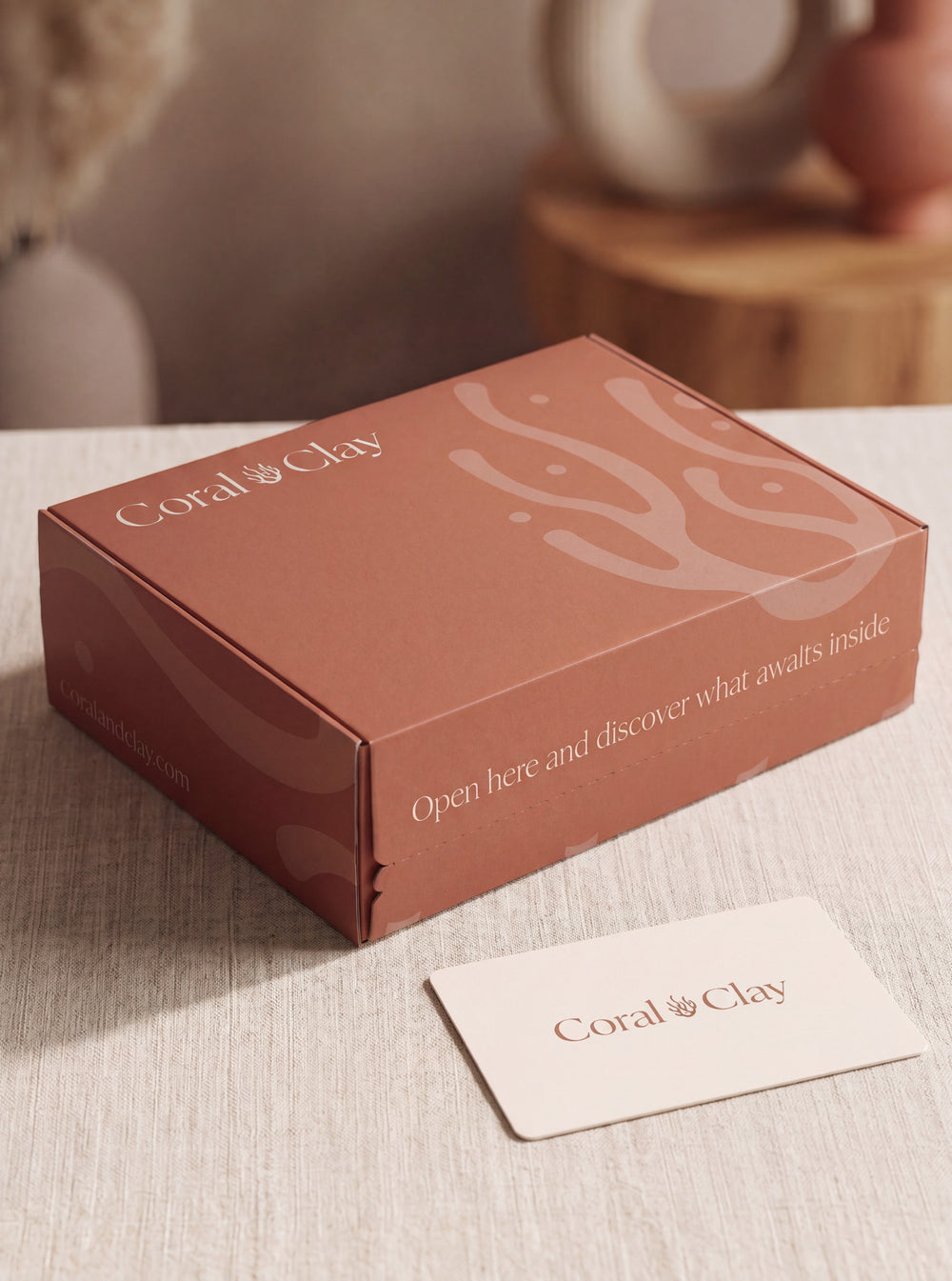
A high-end promotional gift should feel like a desirable product first and a branded item second. The best choices are useful, well made and appropriate to the recipient; the branding supports the object instead of overwhelming it. If the product would be disappointing without a logo, adding one will not make it premium.
Use five tests before approving a product: recipient fit, material and construction, daily usefulness, branding quality and total delivered cost. This guide explains how marketing, events, People, sales and procurement teams can apply those tests in the Netherlands and across the EU.
Promotional product, corporate gift or branded gift set?
These terms overlap, but the buying decision is clearer when the purpose is explicit.
| Format | Primary purpose | Typical approach |
|---|---|---|
| Promotional product | Brand visibility linked to a campaign, event or relationship | One useful branded product distributed to a defined audience |
| Corporate gift | Recognition, thanks or relationship-building | A product or curated concept chosen for the recipient and occasion |
| Branded gift set | A complete branded experience | Several coordinated products, packaging and a message |
This article focuses on selecting an individual premium branded product or a small product-led concept. If you are combining several items into one box, use our guide to creating a branded gift set people will use.
Begin with the moment of use
Do not start with a supplier catalogue. Write down who receives the gift, why, where they will use it and what should happen after the handover. A concise brief might say: “A durable, travel-friendly thank-you for 40 conference speakers, suitable for hand luggage and useful after the event.”
The moment of use helps eliminate attractive but unsuitable choices:
- An event gift must be easy to carry and distribute.
- An onboarding item should work from the first week and suit the employee’s role.
- A client gift needs restrained branding and an appropriate value for the relationship.
- A VIP product should emphasise exceptional materials and construction rather than simply being larger.
- A campaign gift must connect naturally to the campaign idea, not only its colours.
Apply a five-part product test
1. Recipient fit
Use information you genuinely know: working context, travel habits, climate, accessibility, product preferences and the occasion. Avoid assumptions based on gender, age, seniority or nationality. Clothing sizes, alcohol, fragrances and food all require extra care because a wrong choice can exclude the recipient or make the gift difficult to use.
2. Materials and construction
Ask for the material specification, weight, finish, closure, moving parts, expected wear and care instructions. Handle a production sample when the quantity and timeline justify it, or review clear product photographs and technical details. Look closely at seams, hinges, coatings, printing edges, lids, zips and contact points—the places where inexpensive construction becomes visible first.
“Premium” is not a material. Stainless steel, glass, leather, cotton and recycled materials can all vary widely in grade and workmanship. Ask what the product is actually made from and how the chosen branding process affects it.
3. Usefulness and longevity
A product does not need to be used every day, but its purpose should be obvious. Consider whether the recipient already owns several versions, whether the object is easy to clean or charge, and whether replacement parts or unfamiliar software are required. Fewer well-chosen products are usually better than several novelty items with short useful lives.
4. Branding quality
Review the branding at real size, on the actual product colour. A tasteful mark on the lid, base, sleeve or packaging may be more effective than a large logo in the most visible position. Check legibility, contrast, alignment, abrasion resistance and how the item looks when it is being used.
5. Total delivered cost
Compare the complete project, not only the unit price. Include:
- product and product-specific minimum quantity;
- print, engraving, embroidery, embossing or other decoration;
- artwork preparation and set-up charges;
- packaging, inserts and cards;
- sample or proof costs where applicable;
- packing, handling and delivery;
- VAT, import or compliance costs where relevant;
- a realistic allowance for replacements or late address corrections.
A lower unit price can become the more expensive option once weak packaging, extra coordination and replacement risk are included.
Product categories that can work well
No category is automatically premium. Suitability depends on the particular product, recipient and execution.
Drinkware and food containers
Thermos bottles, travel mugs, water bottles and food containers can have long working lives when the seal, coating, mouthpiece and cleaning requirements are good. Check capacity, weight, leak resistance and whether the branding remains attractive after repeated use.
Notebooks and writing products
A notebook or pen remains useful for many professional audiences, but paper quality, binding, opening behaviour, refill compatibility and writing feel matter. Subtle embossing or a coordinated sleeve can feel more considered than a prominent print on the cover.
Travel and work accessories
Organisers, cable cases, card holders and selected bags can work for mobile teams. Check dimensions against the intended contents and consider whether pockets, straps, zips and materials support real use. Avoid size-dependent products when recipient information is unavailable.
Technology accessories
Charging products, power banks, cables and speakers require more than a logo proof. Confirm technical specifications, device compatibility, battery information, instructions, warranty, responsible economic operator and the compliance documentation relevant to the exact product and EU market.
EU rules require products made available on the EU market to be safe. The official EU product-safety guidance explains responsibilities for manufacturers and businesses. CE marking is required only for product categories covered by the relevant EU legislation, and it is not an EU safety approval. Check the European Commission guidance on CE marking for the specific product.
Textiles and apparel
Blankets, scarves, caps and clothing can provide a large, tactile branding surface, but sizing, fibre content, washing instructions, climate and personal style affect suitability. When sizes are required, collect them accurately and offer a practical exchange plan. Avoid gendered ranges unless the brief and recipients genuinely require them.
Food and lifestyle products
Food, home and wellbeing products can soften a merchandise-led concept and make it feel more like a gift. Verify ingredients, allergens, shelf life, breakability, temperature sensitivity, alcohol restrictions and destination requirements. Never describe a box as allergy-safe unless every product and production warning supports that claim.
Choose the branding method with the product
| Method | Can suit | Check before approval |
|---|---|---|
| Laser engraving | Metal, selected wood and coated surfaces | Contrast, depth, finish variation and durability |
| Embossing or debossing | Leather and selected paper or synthetic surfaces | Material response, logo detail and placement |
| Embroidery | Textiles, caps, bags and selected apparel | Stitch density, reverse finish, puckering and colour match |
| Screen or pad printing | Many hard goods and textiles | Ink adhesion, colour tolerance, print area and wear |
| Full-colour print | Packaging, inserts and suitable product surfaces | Resolution, colour conversion, trim and surface texture |
Supply vector artwork where possible and specify minimum clear space, colour references and versions for light and dark backgrounds. Approve a product-specific mock-up rather than assuming artwork that worked on one item will transfer correctly to another.
Do not confuse a logo proof with a complete quality check
A digital proof usually confirms artwork position, size and colour direction. It may not confirm the feel, exact colour, product tolerances, packaging or durability of the decoration. Ask the supplier what the proof represents and which characteristics can still vary.
For a larger or technically complex programme, create a written approval record covering product code, colour, specification, branding method, artwork version, packaging, quantity and delivery destinations. If the approved product becomes unavailable, require a proposed substitute to match its role, quality and value, and approve the change before production.
Use accurate sustainability language
Do not choose a product because a catalogue calls it “eco”, “green” or “sustainable”. Ask for the exact material composition, recycled-content evidence, certification scope, expected service life, packaging and end-of-life route. A recycled claim about one component does not automatically describe the whole product.
Durability, repairability, useful life and avoiding unnecessary items are practical selection criteria even when no broad environmental claim is made. Keep published language specific and retain the evidence supporting it.
Check policy, value and recipient comfort
Clients, public-sector recipients and employees in regulated roles may have gift-value limits, disclosure rules or prohibited categories. Check the recipient organisation’s policy before ordering, especially during tenders, contract negotiations or other sensitive decisions. A gift should never create a sense of obligation.
For high-value programmes, agree internally who approves the audience, value and exclusions. Use consistent criteria so that two recipients in comparable situations are not treated differently without a clear reason.
Protect recipient data
Personalisation and individual delivery can involve names, roles, sizes, dietary information, telephone numbers and home addresses. Collect only what the project needs, restrict access, agree a correction deadline and decide when the information will be deleted. The European Data Protection Board’s small-business data-protection guidance explains the principles of data minimisation, accuracy, storage limitation and security.
A supplier briefing checklist
- Audience, occasion and intended moment of use.
- Quantity and whether it is final or estimated.
- All-in budget and required arrival date.
- Product function, material preferences and exclusions.
- Brand assets, colour references and desired branding method.
- Packaging and message requirements.
- EU destination countries and one-address or multi-address delivery.
- Required safety, labelling and conformity information.
- Dietary, alcohol, sizing, accessibility or fragrance constraints.
- Approver, artwork deadline and substitution process.
How Coral & Clay approaches premium promotional gifts
For corporate projects, we develop concepts around the audience, occasion, budget, brand and delivery requirements. Options can include selected European food and lifestyle products, useful branded merchandise, fully printed packaging and specifically requested items. Availability, minimum quantities, branding methods and production time are confirmed for the individual proposal.
To develop a product-led gift or a complete branded concept, request a corporate proposal with the audience, quantity, budget, branding requirements, required date and EU destinations. We will confirm the practical options for the project.