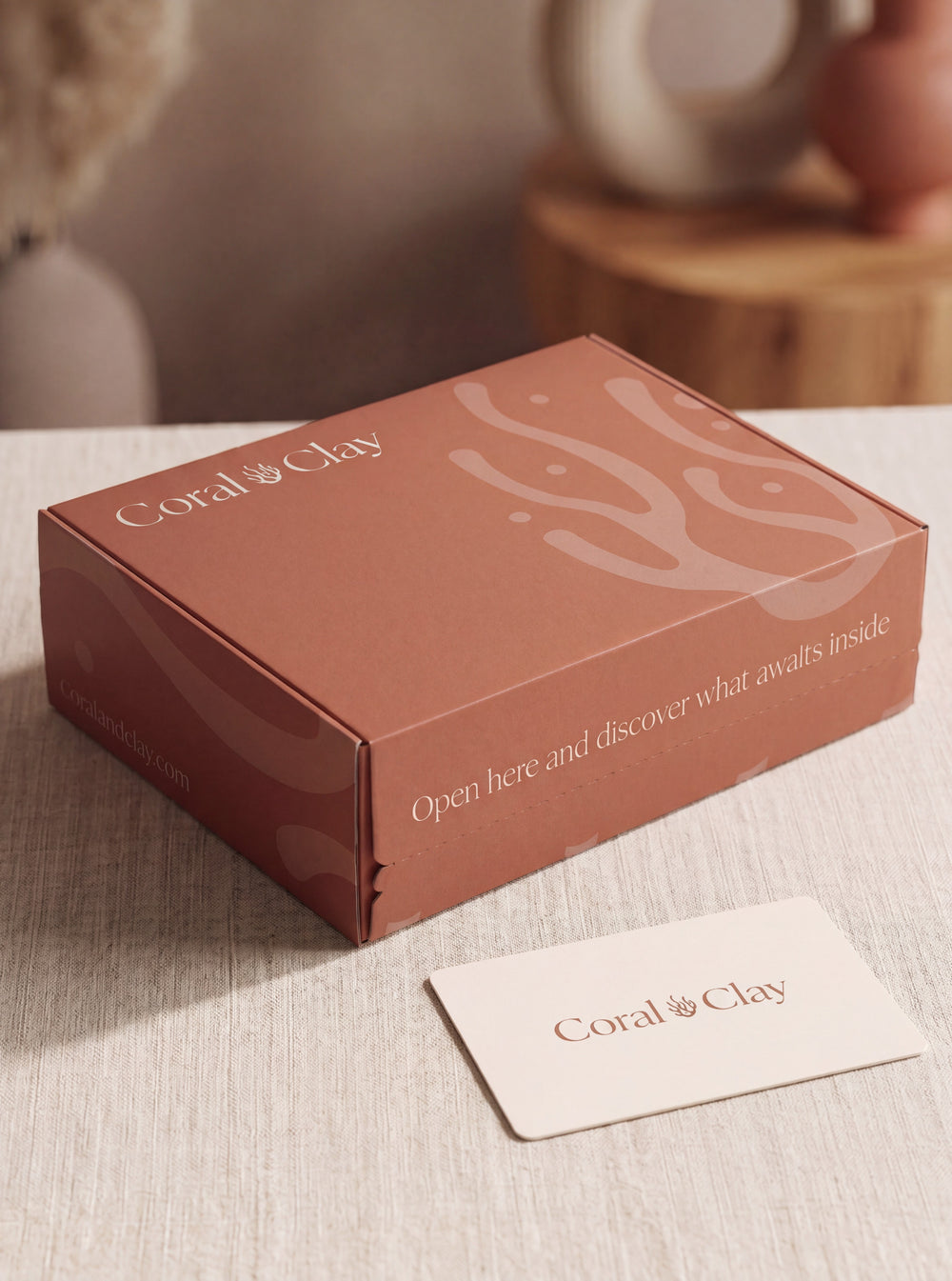
A board member gift is appropriate when the occasion is legitimate, the organisation's rules allow it, the value is proportionate and the choice can withstand scrutiny. The safest process is to settle governance first, then choose the gift.
For most organisations, that means five steps:
- Define the recipient's role and the occasion.
- Check the relevant gift, conflict-of-interest and procurement rules.
- Use an approver who is independent of the recipient.
- Set an all-in budget and apply it consistently.
- Choose something restrained, relevant and practical to deliver.
Start with the role and the occasion
“Board member” can describe people with very different duties. An executive director works inside the organisation. A supervisory or non-executive director is there to provide independent oversight. An external adviser may not legally be a director at all. A public-office or public-sector role can bring additional restrictions.
Write down exactly who the recipient is, which entity is giving the gift and why. A retirement after years of service is different from a gift offered immediately before a sensitive vote. A modest welcome gift for every new director is different from a one-off gift for one influential board member.
The occasion should be clear enough to explain in one sentence. If it sounds vague, transactional or timed to influence a decision, stop and ask for governance advice before discussing products.
Put governance before the gift
Begin with the organisation's own rules. Check the gifts and hospitality policy, code of conduct, conflict-of-interest procedure, procurement policy and any rules set by the recipient's organisation. A gift can be well intentioned and still be inappropriate for the recipient to accept.
For Dutch listed companies, the Dutch Corporate Governance Code 2025 is a useful reference: it expects management and supervisory board members to remain alert to conflicts of interest and to refrain from accepting substantial gifts. It is a governance code for listed companies, not a universal gift rule for every organisation.
Public roles may have stricter limits. The Dutch government's integrity guidance for public authorities, for example, points to codes of conduct and specific restrictions for civil servants. Always check the exact regime that applies to the recipient rather than borrowing a limit from another sector.
If the gift comes from a supplier, adviser, investor or other party with a live decision before the board, the appearance of influence matters as much as the intention. Deferring the gift, changing the giver or choosing a non-personal acknowledgement may be the better decision.
Choose an independent approval route
The recipient should not approve their own gift. Decide who owns the process before money is committed. Depending on the organisation, that may be the chair, vice-chair, company secretary, compliance lead, procurement lead or another authorised budget holder.
A short written record is usually enough. It should cover:
- the recipient and their role;
- the occasion and business rationale;
- the giver and source of funds;
- the all-in value, including presentation, delivery and taxes where applicable;
- the policy or approval route checked;
- the approver and date;
- any conflict, declaration or refusal that needs recording.
For a whole-board programme, agree the method once and apply it to all recipients. For a single exceptional gift, document why the exception is reasonable.
Match the process to the occasion
| Occasion | Governance question | Sensible direction |
|---|---|---|
| Appointment or induction | Is there a consistent welcome policy for comparable roles? | A modest, useful welcome gift with understated branding. |
| Service milestone | Is the recognition proportionate and applied consistently? | A lasting item or curated gift linked to the milestone. |
| Retirement or departure | Who approves it, and is the timing free from a live decision? | A collective message plus a considered personal gift. |
| Board retreat | Is it a participant amenity or a personal benefit? | A practical item that supports the event and is equal for attendees. |
| Seasonal whole-board gift | Can every recipient accept it, including external and public-sector members? | One consistent format with an easy opt-out or alternative. |
Set an all-in budget, not just a product price
Record the total cost per recipient: products, packaging, personalisation, card, delivery and any applicable tax treatment. This avoids accidental differences when directors live in different countries or require different delivery methods.
Consistency does not require every gift to be identical. It does require a consistent reason. A dietary alternative, accessibility adjustment or locally deliverable equivalent can be fair when the value and intent remain comparable.
If colleagues are contributing personally, make participation voluntary and discreet. Avoid suggested amounts that create pressure, and make sure the final gift still follows the organisation's rules. The same principle is explored in our CEO gift policy and group-gifting guide.
Tax treatment depends on the facts and the relationship between giver and recipient. For a starting point on Dutch employer gifting, see our WKR and VAT guide for corporate gifts, then ask a qualified adviser to confirm the treatment for your case.
Use four filters to choose the gift
1. Relevance
Connect the gift to the occasion, the recipient's known preferences or the organisation's values. Use information that has been volunteered or is professionally relevant. Do not turn personal research into surveillance.
2. Restraint
A premium gift does not need to be loud. Quality, editing and presentation usually matter more than the number of items. Avoid conspicuous branding, novelty for its own sake and anything that could feel like a sales device.
3. Usefulness
Ask whether the recipient can comfortably use, share or decline it. Curated food and home items, a lasting desk or travel piece, a collective record of appreciation or a known charitable preference can work well. Experiences require more caution because availability, travel, accessibility and policy restrictions can make them difficult to accept.
4. Deliverability
Confirm where and when the gift may be delivered, whether a signature is appropriate, and who will solve a failed delivery without involving the recipient. For international boards, check destination coverage before making a promise.
Keep personalisation specific and branding quiet
The message should explain why the person is being recognised. Refer to the contribution, milestone or shared work rather than relying on generic praise. Check names, titles and diacritics with an authoritative source.
Personalisation can be as simple as a well-written card, a carefully chosen colour or a small detail connected to the occasion. Avoid assumptions based on age, gender, nationality, family situation, religion or health. If preferences are unknown, choose an inclusive format and offer an easy alternative.
Corporate branding should support provenance, not dominate the gift. A discreet mark on the card, sleeve or delivery note is often more appropriate for board-level recipients than a large logo on the product.
Plan delivery without collecting unnecessary data
Ask whether delivery should go to the office, a board meeting, an assistant or a private address. A private address is personal data. Collect only what is needed for the delivery, share it only with the people and partners who need it, and delete it according to the organisation's retention rules. This follows the European Commission's explanation of the GDPR principle of data minimisation.
Give the recipient or their assistant a choice where possible. Some directors will prefer office delivery; others may not want gifts delivered at all. Record refusals neutrally and do not replace a declined gift with something more valuable.
A ten-minute decision check
- Can we state the legitimate occasion in one sentence?
- Have we identified the recipient's exact role and applicable rules?
- Is the giver free from a live conflict or sensitive decision?
- Has someone independent of the recipient approved the gift?
- Is the all-in value proportionate and consistent?
- Can the recipient decline or choose an alternative without awkwardness?
- Is the selection useful, inclusive and free from intrusive assumptions?
- Are branding and personalisation appropriately restrained?
- Is the delivery plan secure and realistic?
- Have we kept a brief record of the decision?
If any answer is uncertain, pause at that point. A smaller, later or collective acknowledgement is often better than forcing a gift through an unclear process.
Example: a retiring supervisory board member
Imagine a supervisory board member retiring after two full terms. The company secretary confirms the internal gifts policy and checks that no sensitive decision involving the recipient is pending. The chair approves an all-in budget consistent with previous departures. Colleagues provide short messages, and the gift is selected around a known interest the recipient has previously shared. Branding is limited to the presentation card. The assistant confirms the delivery address, and the address is used only for fulfilment.
This hypothetical example works because the occasion, approval, value, selection and delivery can all be explained. The product is the final decision, not the first one.
When you need a curated board-level gift
Once your governance, budget and delivery requirements are clear, Coral & Clay can help shape a restrained, complete gifting experience for senior recipients. Explore our VIP gifting approach.