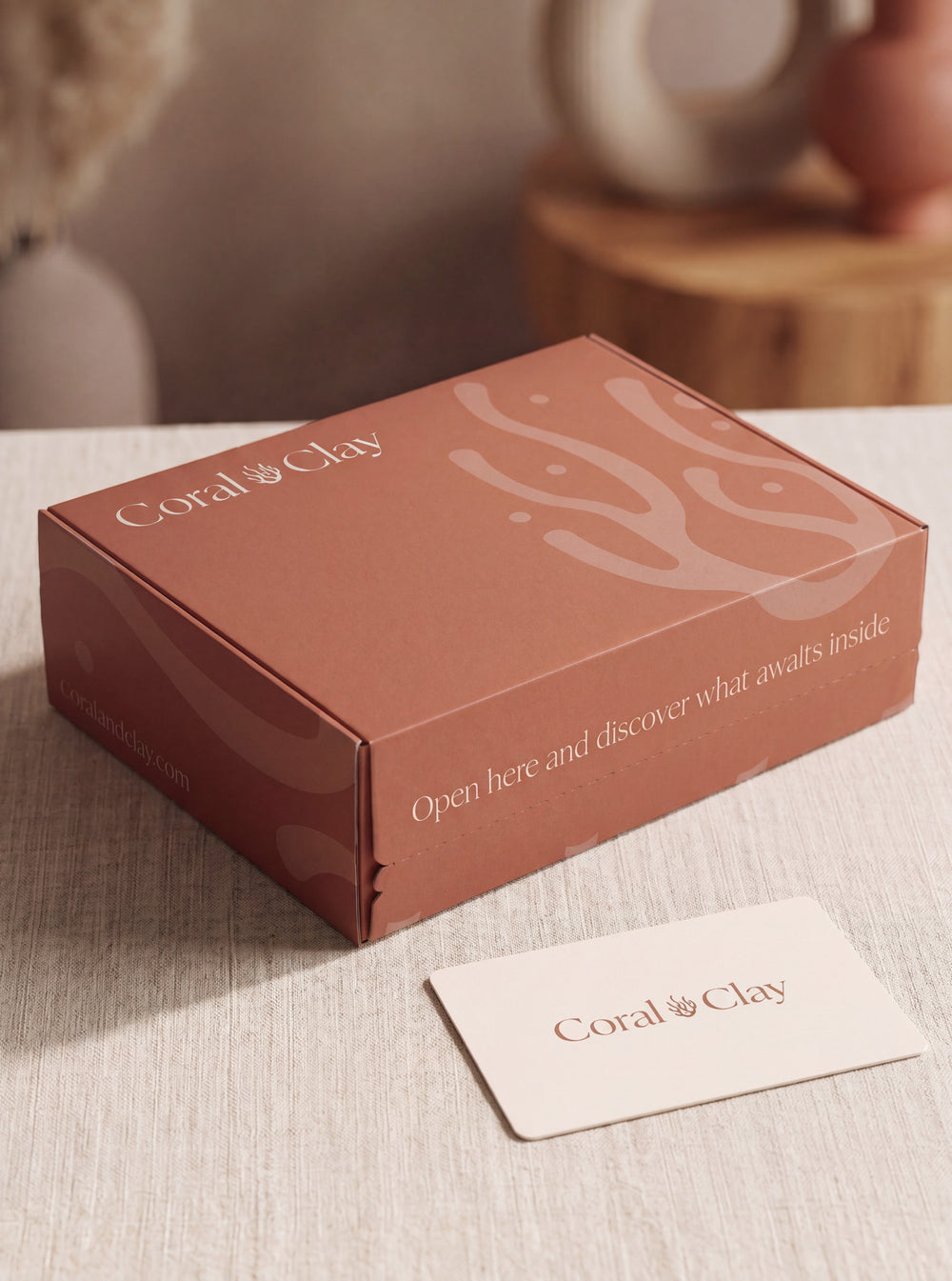
A good branded gift set begins with a clear brief, not a catalogue. The brief should explain who the recipients are, what the organisation wants them to feel, what must be delivered and which constraints are real. It gives the gifting partner room to curate while keeping budget, brand and operations under control.
This article shows what to include in that document. If you are still exploring the overall concept, read our guide to creating a branded gift set people will use.
Open with the decision the gift supports
Use two or three sentences to describe:
- the audience;
- the occasion or business moment;
- the desired recipient response;
- how the gift will be presented or delivered.
For example: “We are welcoming 120 new employees across three EU offices. The gift should feel useful from the first week, express our visual identity with restraint and arrive before each local start event.”
This is more useful than “We need a premium branded box.” It gives the curator a reason for every product and presentation decision.
Describe the recipients as people
Include information that changes the concept:
- employee, client, partner, speaker, event guest or VIP;
- country and delivery setting;
- office-based, remote, travelling or attending an event;
- likely age range only when genuinely relevant;
- dietary, alcohol-free or accessibility requirements;
- languages needed;
- whether recipients already know the organisation;
- what they are expected to do with the gift afterwards.
Avoid invented personas and sensitive assumptions. Do not infer religion, health, income or family situation from job title or public profiles.
State the occasion precisely
“Employee gift” can mean onboarding, a work anniversary, recovery, retirement or seasonal appreciation. “Client gift” can mark project completion, a meeting, a relationship anniversary or a difficult service moment.
Record:
- occasion name;
- recipient date or campaign window;
- whether the moment is celebratory, formal, supportive or reflective;
- what has already been communicated;
- what the gift must not imply.
A precise occasion leads to a better message and avoids products that feel out of place.
Build the complete budget
Give a per-recipient range and an overall approved ceiling. Clarify whether the range includes:
- products;
- custom merchandise;
- design and artwork preparation;
- printed packaging, sleeves or inserts;
- personalised cards;
- assembly and quality control;
- delivery to one or many addresses;
- taxes and contingency.
Do not use the entire budget for products before branding and delivery are understood. A smaller, coherent product selection can create a stronger experience than a crowded box with no room for presentation.
Explain the desired product mix
Describe functions and categories rather than naming a long list of compulsory items. A useful product section can specify:
- one practical anchor product;
- one food, drink, home, lifestyle or wellbeing element where appropriate;
- one item that carries the brand or occasion;
- products or categories to exclude;
- requirements for shelf life, fragility or storage;
- whether a client-requested product should be investigated;
- acceptable substitutions.
Coral & Clay’s online range is a starting point rather than the limit of a corporate concept. We can investigate products through a wider supplier network when quality, budget, quantity, timing, dimensions and delivery allow.
Separate essentials from preferences
| Requirement type | Examples |
|---|---|
| Must have | Arrival date, approved budget, alcohol-free, specific delivery countries |
| Strong preference | Particular colour family, locally relevant product, reusable format |
| Open to recommendation | Exact product, box size, arrangement, card stock, finishing detail |
| Not allowed | Unapproved partner marks, restricted ingredients, dated merchandise |
This distinction prevents a visual preference from being treated as a delivery-critical requirement and shows where the gifting partner can add judgement.
Give brand guidance, not just a logo
Provide:
- current brand guidelines;
- approved vector logos and colour references;
- tone and terminology;
- campaign artwork and usage permissions;
- minimum logo size and clear-space rules;
- examples of branding that feel right or wrong;
- one person authorised to approve exceptions.
Say how visible the brand should be. A subtle mark, considered colour palette and personal card may suit an executive gift; a conference kit may need clearer identification during the event.
Define where branding belongs
List the possible surfaces and rank them:
- outside of the box;
- inside lid;
- sleeve or belly band;
- insert or greeting card;
- tissue, label or closure;
- selected product or merchandise;
- outer shipping packaging.
Not every surface needs branding. Decide what the recipient sees first, what remains after unboxing and which campaign information should be removable.
Write the message brief
Provide the message owner, signatory and desired tone. Include:
- the occasion;
- one specific point of appreciation or welcome;
- sender name and role;
- language versions;
- maximum length;
- personal fields such as preferred name;
- words, claims or confidential details to avoid;
- final proofing responsibility.
Keep the card focused on the recipient rather than explaining every product or repeating marketing copy.
Plan personalisation carefully
Choose which elements vary:
- recipient name;
- message;
- language;
- product alternative;
- delivery label;
- team, office or event allocation.
Every variable creates a data and quality-control step. Personalise only where it adds value. A named card may be more reliable and reusable than permanent names on merchandise.
Control recipient data
For direct delivery, collect only the information needed to fulfil the gift. The European Data Protection Board explains that personal data should be necessary and proportionate, accurate, kept only as long as needed and processed securely in its data protection basics.
Your brief should identify:
- the approved source of names and addresses;
- who may access the file;
- the correction deadline;
- how missing or invalid records are handled;
- what the fulfilment partner receives;
- how returned packages are reported;
- how long working copies are retained.
Do not send the list through an uncontrolled email chain.
Specify packaging and delivery
Confirm whether the gift is:
- handed over personally;
- delivered in bulk to one office;
- split across several offices;
- sent directly to individual recipients;
- delivered to a conference hall or hotel.
For each destination, include address, contact person, receiving hours, storage conditions and required arrival window. Coral & Clay supports corporate delivery to EU member states; feasibility, timing and cost are confirmed for each project.
Build the timetable by approvals
Use stages:
- brief and budget confirmed;
- concept presented;
- products and alternatives approved;
- artwork and messages prepared;
- digital proofs approved in writing;
- production and sourcing completed;
- recipient data finalised;
- assembly and quality control;
- dispatch and exception handling.
Branded packaging normally requires approximately two weeks of production after design approval. Concept work, sourcing, packing and delivery must be planned separately.
Ask for a proposal you can compare
Request a response that shows:
- proposed products and why they fit;
- quantities and permitted substitutions;
- branding method and locations;
- packaging structure;
- message and personalisation route;
- project stages and approval deadlines;
- delivery model;
- cost inclusions, exclusions and assumptions;
- open risks or decisions.
Compare the complete delivered experience, not only the product total.
Brief checklist
- Audience, occasion and desired response are clear.
- The complete budget and approval owner are stated.
- Product requirements distinguish essentials from preferences.
- Brand assets, permissions and visibility are defined.
- Message owner, language and proofing route are named.
- Personalisation is limited to useful variables.
- Recipient data has a controlled source and deadline.
- Packaging and every delivery destination are described.
- The timetable includes separate approval and production stages.
- The proposal must state assumptions and exclusions.
Turn the brief into a coherent gift
We develop custom corporate gift sets around the audience, occasion, budget, brand, message and EU delivery plan. Request a corporate gifting proposal.